• Home
  • Free Funding Guide
  • What We Offer
    • Products
    • Services
    • Free Guide
  • About Us
  • Contact
  • Sign Up

  • Ask Joe Any Question!
  • Business Credit Cards
  • Business Line of Credit
  • Topics

What is the SBFE & How Do They Impact Small Businesses? 

By Joe

SBFE

As you build your business credit, you’ll start to see the Small Business Financial Exchange (SBFE) mentioned here and there. It’s probably immediately apparent that they’re involved in business credit data. But, how does this apply to you, as a small business owner?

Here, I’ll break down what the SBFE is, what they do, who they are affiliated with, and how this applies to small business and business credit. And, I’ll answer a couple of the most common questions I hear about the SBFE. 

This is what’s in store: 

  • What is the Small Business Financial Exchange?
    • What You Need to Know About the SBFE Score
    • Company Overview
  • What Companies are Affiliated with the SBFE?
    • 1. Major Banks
    • 2. Credit Card Issuers
    • 3. Alternative Lenders
    • 4. Business Credit Bureaus
  • Frequently Asked Questions
  • Conclusion

Now, let’s roll! 

What is the Small Business Financial Exchange? 

SBFE tradelines

The SBFE is like a guild for over 135 U.S. small business lenders, including big banks, merchant acquirers, and credit card companies. It started in 2001 and gathers info about how businesses pay their bills—This info goes to the major credit reporting companies, helping them figure out how risky it is to lend to businesses. 

The goal is to make sure lenders have accurate insights into business’ credit health. However, it’s not a commercial credit reporting agency. Instead, it collects payment history from its member lenders and provides that data to the credit reporting agencies.

Here’s how it works:

  1. SBFE member lenders report business payment history to SBFE.
  2. SBFE shares the data with commercial credit reporting agencies.
  3. The agencies use this data – along with information from other sources – to create credit reports and scores.

Payments to suppliers, loan payments, commercial lease payments, and auto payments are examples of payment experiences that can end up on your business credit file via the SBFE. They collect and share both positive and negative payment information, which includes on-time payments as well as late payments.

And, unlike personal credit data, business credit data is not protected under the Fair Credit Reporting Act FCRA, which means that anyone can access your business’s credit information without your permission. However, SBFE data is available only to SBFE members for credit risk assessment purposes, not for marketing.

As for membership, small businesses can’t join SBFE or report payment history directly to it (the reason they don’t allow you to submit your own trade references is to prevent duplicate account reporting). SBFE membership is open to those who originate small business financing.

Recommended: 41 Companies That Help Small Businesses Build Business Credit 

What You Need to Know About the SBFE Score 
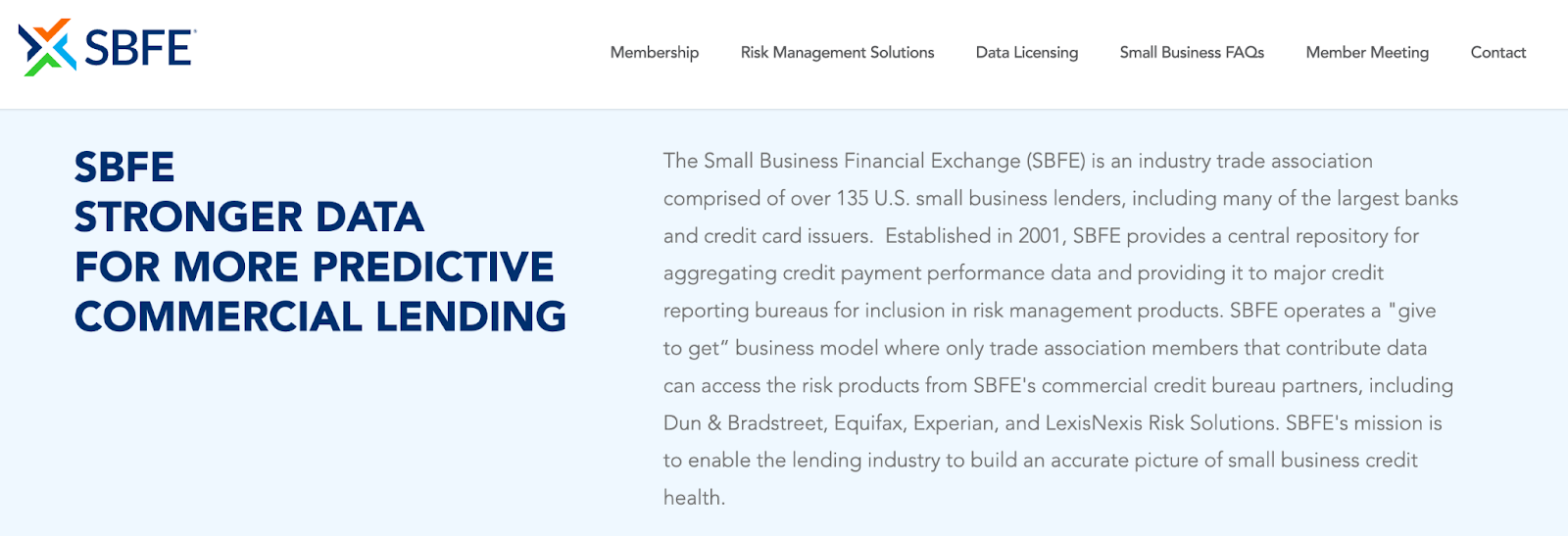
SBFE score range

The SBFE maintains independence from business credit reporting bureaus, which enables bureaus to set their own criteria for data sharing. Meanwhile their regulations help make sure the data remains unaltered once bureaus incorporate it into their systems. So, commercial credit reporting agencies come up with their own SBFE scores based on (accurate) information obtained from the SBFE as well as other sources. 

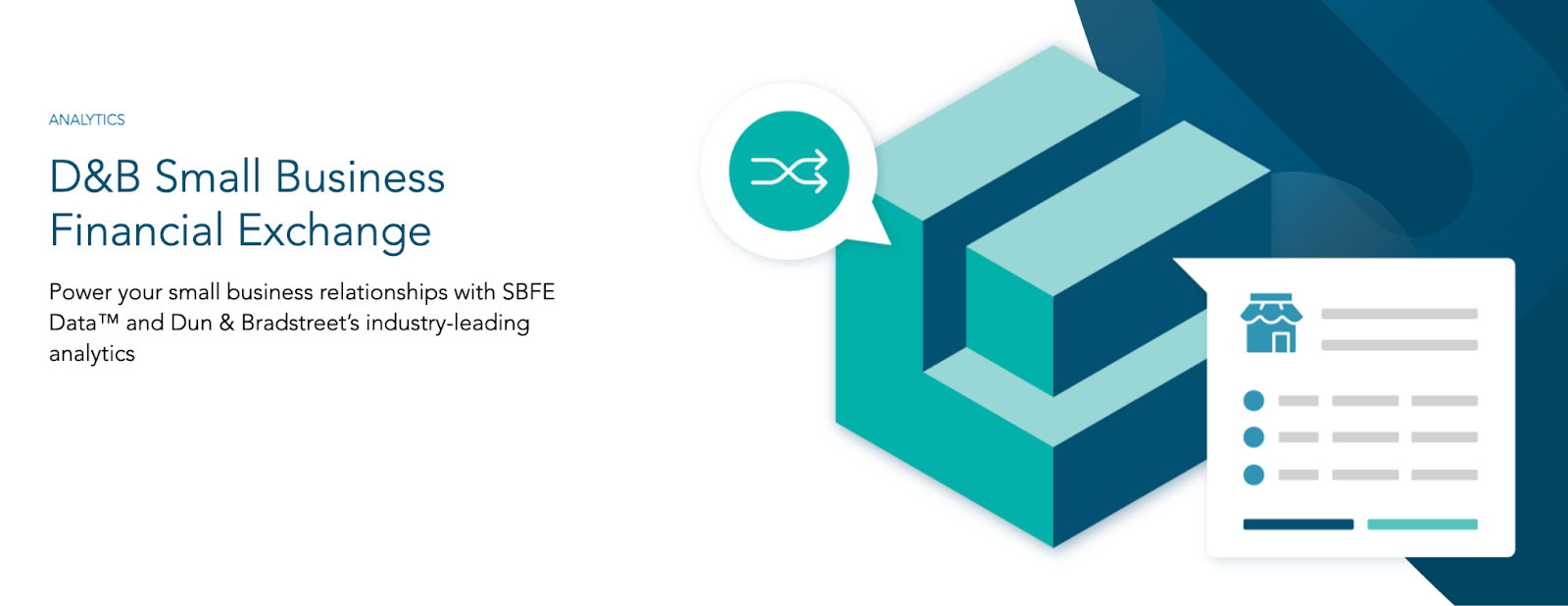
For example, Dun & Bradstreet’s (D&B’s) SBFE Score predicts how likely a business is to have financial problems like severe delinquency, charge-offs, or bankruptcy within the next year—It ranges from 706 to 999, with higher scores meaning lower risk. 

The score is based on data from SBFE and other sources, including tradelines that report directly to D&B. D&B’s SBFE score available for most U.S. businesses, except for some with missing info or those flagged as high risk. The score is used to help lenders determine a business’ credit risk and optimize profitability. 

So, what is a good SBFE score for a business? Well, typically one on the higher end of the scale, which indicates lower risk for financial issues.

Experian, Equifax, and Lexis Nexis have their own, comparable business credit scoring models. I am most familiar with D&B’s scoring models, since it’s the business credit bureau that I primarily work with (in my experience, it has the greatest breadth). 

Recommended: Everything You Need to Know About a DUNS Number – and Why You Should Care 

Company Overview
SBFE phone number

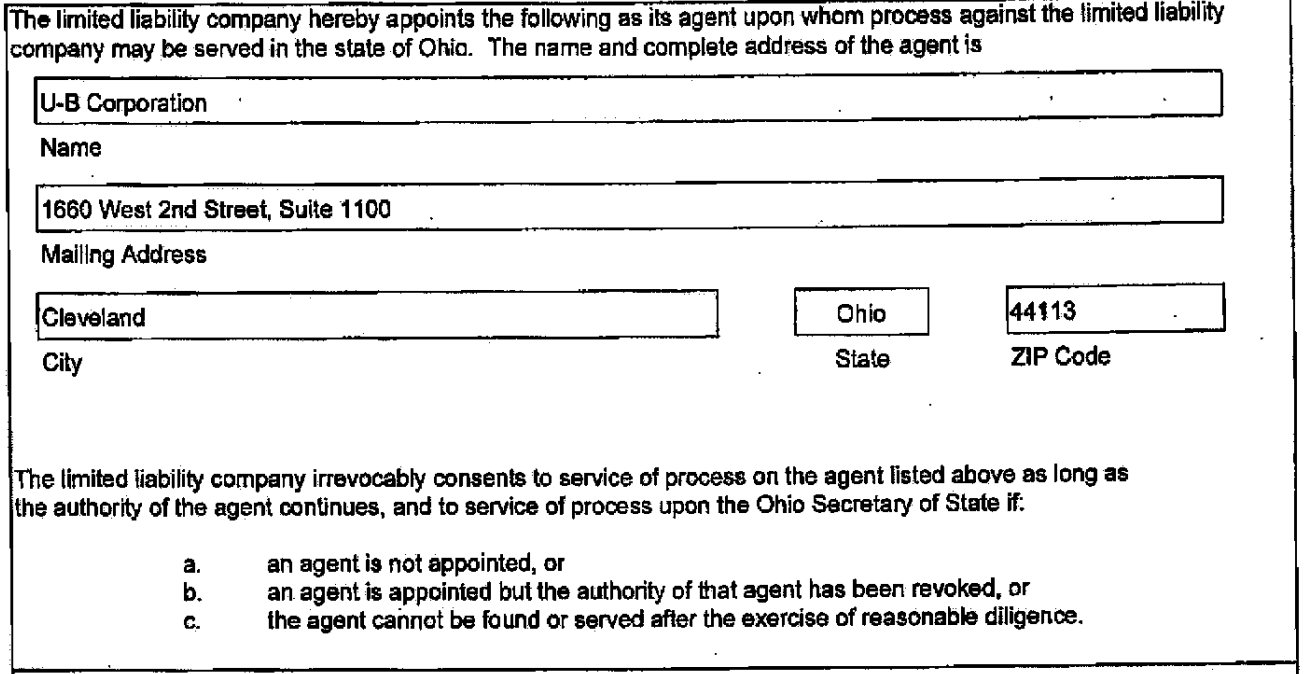
Small Business Financial Exchange Inc. (SBFE, LLC) is a trade association that was founded in 2001 to support the safe and secure growth of small businesses. According to Crunchbase, they’re based in Illinois, but the Ohio Secretary of State’s Website lists them as an actively-registered, foreign (registered in Delaware) Limited Liability Company headquartered in Cleveland. Their LinkedIn profile lists them in Shaker Heights, Ohio. 
Sbfe login

The organization has raised a total of $15.8 million in funding from investors, and recently made headlines with their efforts to strengthen small business credit decisions. 

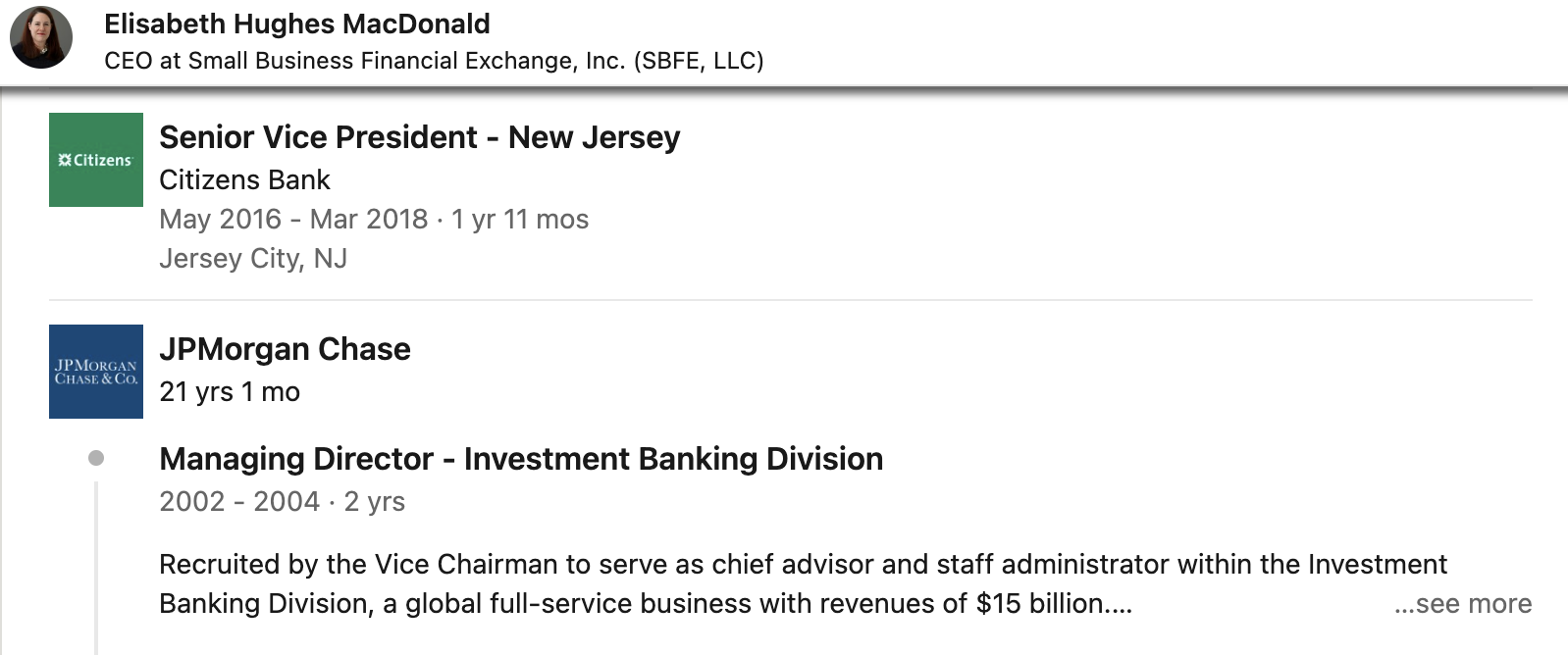
Prior to taking her role as the current CEO of SBFE, Elisabeth Hughes Macdonald (New York) was the Managing Director of Investment Banking at Chase and the Senior Vice President at Citizens Bank. She’s also served as a board member at Lafayette College and Impact 100 Garden State.
SBFE CEO

The SBFE apparently doesn’t have a lot of employees, so they don’t have a presence on Glassdoor or Indeed. As a result, we don’t know what employees think about working there or whether they approve of company leadership. And, you won’t find user reviews on Trustpilot or complaints with the Better Business Bureau because they’re not a consumer or small business-facing institution. 

What Companies are Affiliated with the SBFE? 
SBFE members list

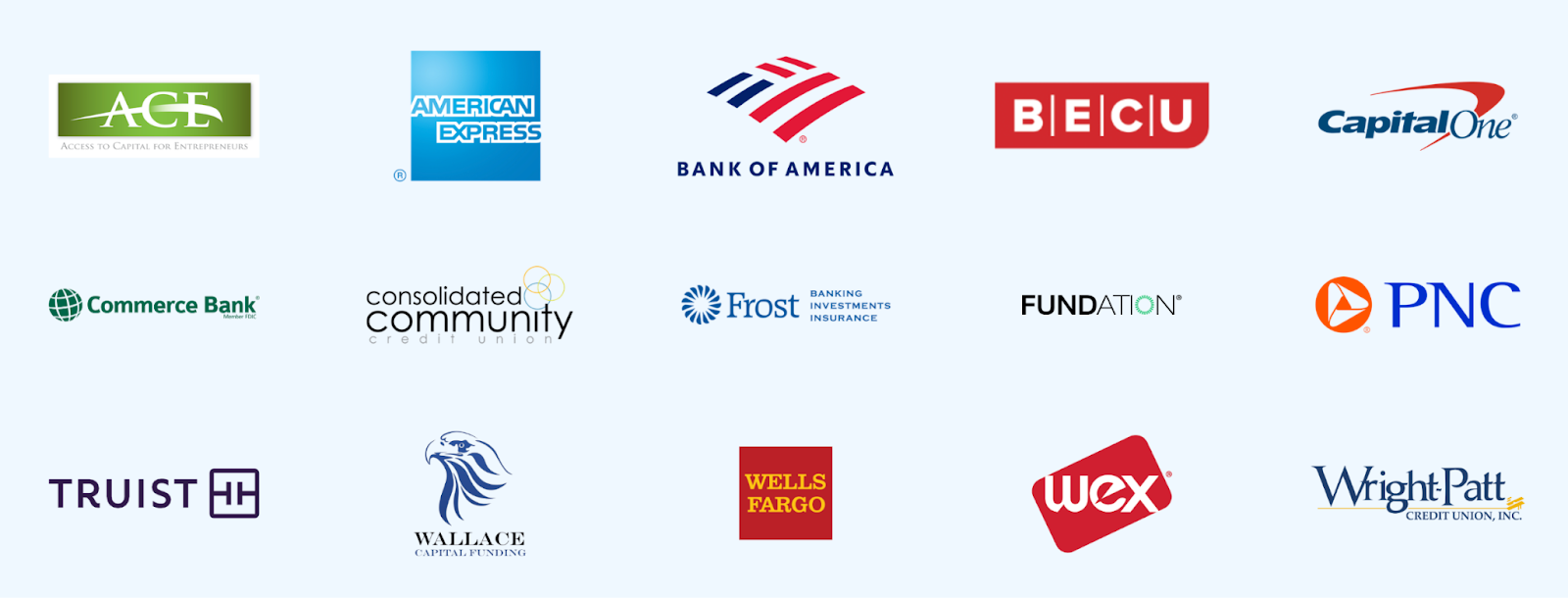
The SBFE collaborates with various entities that can significantly impact small businesses’ financial health and creditworthiness. While SBFE doesn’t publicly disclose its entire list of members, here are some key entities they work with that small businesses should be aware of.

By understanding SBFE’s partnerships with these entities, you can gain insights into the credit ecosystem and make informed decisions about their financing options and credit management strategies.

Recommended: 41 Companies That Help Build Business Credit [Beyond Net 30 Vendors] 

1. Major Banks
Does Chase report to SBFE?

Many of the largest banks in the United States are members of SBFE. These banks often offer a wide range of financial products and services to small businesses, including loans, lines of credit, and business credit cards.

You might also like: Chase Ink Business Preferred Credit Card: A Deep Dive Analysis 

2. Credit Card Issuers

SBFE credit card issuer members

SBFE partners with credit card issuers who provide small businesses with credit cards tailored to their needs. These issuers play a crucial role in helping small businesses manage cash flow and access credit for various business expenses.

Recommended: What are the Best Unsecured Business Credit Cards for Startups? 

3. Alternative Lenders

Alternative lenders that report to SBFE

In addition to traditional banks and credit card issuers, SBFE may also work with alternative lenders such as online lenders and fintech companies. These lenders often provide innovative financing solutions to small businesses that may not qualify for traditional bank loans.

You might also like: No-Doc Business Loans: Get Funds Without Proof of Income 

4. Business Credit Bureaus

Does SBFE report to Dun and Bradstreet?

SBFE shares data with four major commercial credit reporting bureaus: 

  1. Dun & Bradstreet
  2. Equifax
  3. Experian
  4. LexisNexis Risk Solutions

These bureaus compile and analyze small business payment data to create credit reports and scores used by lenders to assess creditworthiness.

Recommended: Dun and Bradstreet / How to get a DUNS Number 

Frequently Asked Questions

How do I find out my business credit score?

You can find out your business credit score by contacting commercial credit bureaus like Dun & Bradstreet, Equifax, Experian, or LexisNexis Risk Solutions. They can provide you with your commercial credit report, which includes your business credit score.

What is a small business as defined by the US SBA?

According to the US Small Business Administration (SBA), a small business is typically one that has fewer than 500 employees for most industries—The definition can vary based on industry and other factors.

Conclusion 

In sum, the SBFE isn’t super transparent with small businesses when it comes to how they operate and what information they report to bureaus. They’re primarily a lender-facing institution. So, when you have questions about your business credit as it relates to SBFE reporting, it’s best to go straight to the business credit bureaus that they report to (D&B, Experian, Equifax, or Lexis Nexis). 

If you’re unsure whether or not your lender is an SBFE member, you can ask them directly. 

Do you want to learn how to obtain up to $100K in business credit in as few as 30 days? Join Business Credit Workshop today!

Can you transfer a personal credit card to your business?

By Joe Lawrence

can you transfer personal credit card to business

In the world of business, the lines between personal and business finances can sometimes blur. This is particularly true during the early stages of entrepreneurship. Many business owners rely on credit cards or funds to support their ventures. Unfortunately, this approach poses several challenges, especially relating to increased personal liability and potential tax issues down the line.

While it is true that you can use your personal credit card for business expenses, have you considered transferring personal debt to your business? This post explores the distinctions between personal and business credit and offers practical steps to transfer personal credit to your business effectively.

Personal vs. Business Credit: What are the Differences?

To understand the process better, let us quickly examine the differences between personal and business credit. Here are some facts about personal credit:

  • Used for personal expenses like buying a car and home
  • Personal liability for any debts incurred
  • Connected to the Social Security Number (SSN)
  • Reported to consumer credit reporting agencies like Equifax, TransUnion, and Experian
  • Credit scores range from 300 to 850
  • Subject to consumer protection laws, including the Fair Credit Reporting Act (FCRA) and the Fair Debt Collection Practices Act (FDCPA)

Meanwhile, here are some things to know about business credit:

  • Used for business expenses like purchasing equipment and inventory
  • Utilized for managing operational costs and cash flow
  • Tied to Employer Identification Number (EIN) or Tax Identification Number (TIN)
  • Liability for debts is on the business and not the individual owner
  • Reported to business credit bureaus like Dun & Bradstreet, Equifax Business, and Experian Business
  • Credit scores range from 0 to 100 (or 0 to 300, depending on the credit reporting bureau)

Payment history and length of that history, credit utilization, and types of credit used are some of the factors that affect both personal and business credit.

Can You Use Your Personal Credit Card for Business Expenses?

Keeping track of expenses can be challenging, so some people opt to use a personal card for both personal and business-related purchases. To address the question above, yes, you can use your personal card for business expenses.

You might choose to do so for several reasons, including the enhanced protection offered by the Credit Card Accountability Responsibility and Disclosure Act of 2009 (Credit CARD Act). This legislation provides better safeguards for cardholders by requiring written disclosures and imposing limits on fees and interest rates.

Why Transfer Your Personal Debt Over to Your Business

While you can use your credit card for business expenses, it lacks the same legal protections as business credit. If your company is set up as an LLC or a corporation, you automatically obtain legal protections based on your chosen business structure. However, intertwining your personal and business expenses can diminish or even nullify those protections you would otherwise enjoy.

If that’s not convincing enough, here are additional reasons why transferring personal credit to business is a smart financial move:

  • If there are ever any legal or financial issues, minimize your personal financial risk, even as the business owner.
  • Transferring personal debt to business credit helps establish your business’s credit profile and history, which is crucial for accessing credit lines and loans.
  • Business credit, when used for business expenses, aids in simplifying tax reporting. This activity can also maximize tax deductions, potentially reducing tax liabilities and taxable income.
  • Building strong credit for your business shows professionalism and credibility as it is a demonstration of how responsible and stable your business is. These traits are essential to other entities you will likely work with, such as suppliers, partners, lenders, and even your customers.
  • Separating business from personal credit allows access to more credit and financing options based on your company’s creditworthiness. That way, you do not have to rely solely on personal credit limits, which are often lower.

Creating a clear distinction between your personal and business credit profiles is significant in defining the company as a separate legal entity. By using business credit accounts, such as business credit cards or lines of credit, when incurring business-related expenses, you begin to build your company’s own credit history. However, just like personal credit, you should always make on-time payments and manage your business credit responsibly to create a positive credit history for your company.

How to Transfer Personal Credit to Business: The Different Methods

One standard method for transferring personal credit to a business is to apply for business credit cards, which should be under the business’s name. Doing so lets you establish your business’s credit history while separating its usage from your credit cards. Other ways to go about it include the following:

  • Applying for business lines of credit to access funds for your ongoing expenses
  • Applying for business loans from banks or alternative lenders when in need of funding for expansion and other more significant investments
  • Establishing trade credit accounts with vendors and suppliers, such as Net 30 vendors, that allow your business to make purchases on credit
  • Using alternative financing solutions specific to businesses, including merchant cash advances and invoice factoring
  • Exploring rental or lease agreements for vehicles, real estate, or equipment to build a credit profile

It may also be an option to cosign with a personal guarantee, mainly if you first must use personal credit to secure business loans or business credit cards. This method, however, involves personal credit. Nevertheless, it still contributes to building your business’ credit history.

With the choices above, picking the proper method for you may be a little confusing. The best way to do it is to select the option based on your creditworthiness and business requirements. For example, you can consider your short-term and long-term goals, such as whether you want to finance immediate expenses. Perhaps you wish to build credit for the future or invest in growth opportunities. Whatever your goal, you can align it with the best method for your business.

Other factors to consider include:

  • Your business’s creditworthiness
  • Payment history
  • Debt-to-income ratio
  • Credit score
  • Existing credit accounts, if any
  • Type and size of funding you need
  • Interest rates and fees
  • Repayment terms

The method you choose can impact your credit and liability as an individual, such as if it requires cosigning or a personal guarantee, so consider that as well. It is also helpful to assess the method’s long-term sustainability, especially if it will benefit your business’s financial growth and stability in the long run.

Steps to Take

Regardless of the method you see fit for transferring personal credit to business credit, the entire process involves a few steps, which often include the following:

If you have not done so, you will first have to incorporate a legal business entity. This means picking whether you have a partnership, a Limited Liability Company (LLC), a corporation, or any other type of business structure. You will also have to register it with the local and state government. From here, you can obtain an Employer Identification Number (EIN) from the Internal Revenue Service (IRS).

You will then need to open a business bank account in the name of your business. This account will be used for all your business-related purchases and transactions. That way, there is a clear separation between your personal and business expenses.

The next useful step is to have a business credit card. Make sure that you do comprehensive research by comparing various card options. Don’t just look at offers from banks; explore other products from financial institutions and credit unions. When applying, you must use the legal name of your business and provide its EIN and other relevant information. Once you have a credit card, you should always pay your debt on time whenever you use it for business expenses. This is the key to establishing a positive credit history for your company.

business credit card

Some businesses may skip this step, but it is helpful in many ways. You need trade credit accounts as you continue to grow as a business. Be sure to foster relationships with trade partners and suppliers that use trade credit terms. You may also request to open a trade credit account under your business and use it for purchases on credit. Once again, you need to pay net 30 invoices promptly, which will show suppliers and vendors your creditworthiness. It also establishes trust, making it easier for you to access larger financing in the future.

You can apply for lines of credit or business loans from online lenders or banks using your business information. At this stage, you will typically be asked to provide financial data, such as a business plan, revenue, and cash flow. Once approved, you can use the lines of credit and loans for operational, investment, and expansion investments. Just like other debts, you should always maintain responsible repayment to help build your business’s credit profile.

At this stage, you can use the balance transfer option with the new business credit card / business line of credit to transfer your debt over. Some banks will also allow you to use “convenience checks” where you can write a check using your business credit card available balance to your personal credit card company to payoff the balance (and avoid a cash advance fee). You can also look into programs like Plastiq and Melio Payments to get cash off your business credit card.

Your work is incomplete, as you must still monitor and manage your business credit. It always helps to review your business credit reports regularly. If you find any errors, dispute them, as they will not fix themselves. You must ensure accuracy in reporting all your credit activities. Don’t forget to maintain a low credit utilization rate while avoiding accumulating excessive debt under the name of your business.

You might also like: Our Review of NAV, a service that boosts, tracks and monitors business credit scores

Using your business credit accounts involves being responsible for you to build a positive credit history for your company. As you keep your credit utilization low, it helps to increase your credit limits. Do so gradually as your credit history improves and your finances stabilize.

Common Pitfalls to Avoid

As the process ensues, you will realize that some difficulties may arise that could add to the challenge. Therefore, it is crucial to be on the lookout for the following pitfalls:

Many businesses fail to separate business and personal expenses, which typically leads to confusion and inaccuracies, particularly in their financial records. If there is no clear distinction between the two, tracking deductible expenses can pose a challenge, resulting in paying more taxes than you should. Always talk to a tax qualified professional when considering getting credit and moving debt from person to business.

Another issue is relying on personal credit when making business purchases. Although this is the more convenient option for some people, it hinders their businesses’ ability to build a strong credit profile.

One more problem is operating as a sole proprietorship without forming a legal business entity. Unfortunately, this approach exposes the owner to personal liability, especially given the rising business debts and obligations.

Not having a business bank account is another issue to address as you progress with the transfer. That way, you avoid complicating the accounting procedures and tax reporting, making it easier to track income and expenses.

Legal and Financial Implications to Consider

While there are benefits to transferring personal to business credit, it is vital to understand the potential legal and financial implications of the activity for both the business and the owner. These include the following:

You can get legal liability protection as a business owner when you move your personal credit to business credit rather than having it all in one account. However, you must operate as a single entity, such as an LLC, to shield your personal assets from possible debts and lawsuits.

Some lenders require a personal guarantee, particularly if you have a new business. Typically, this means you do not have an extensive credit history. With a personal guarantee, you should know that you, as the business owner, will be held liable for any financial obligations. That includes if your business defaults on credit payments.

While a personal credit to business credit transfer establishes a separate credit profile and history for your company, it can also result in negative credit activity. Late payments and other mistakes can adversely affect your business’s creditworthiness. You must continuously build and protect your credit profile so that you do not have to worry about accessing financing in the long run.

visa-credit-card

The transfer requires careful documentation and recordkeeping. Otherwise, you could risk complying with tax laws and missing proper business deductions.

Compliance with the rules and requirements is important when using business credit. It mitigates potential issues and ensures legal adherence, so be sure to be mindful of your business’s legal structure and registration. Your business must have the appropriate licenses and permits to operate legally. Talk to a representative or local authorities if you require more information.

Finally, it is valuable to understand the reporting requirements of business credit bureaus, such as Experian Business and Dun & Bradstreet. You should always have your business credit activity report accurately, including your timely payments and credit utilization, for a favorable credit profile and history.

Conclusion

Transferring your personal credit to business credit is a smart move that can yield significant benefits. The biggest benefit is the potential to improve your personal credit utilization, which can really boost your personal credit score a lot. With a distinct separation between business and personal finances, you can protect your personal assets while aiming to access financing options and build a good credit profile for your company. Take the first step toward building your business credit profile by signing up for free business credit training today!

FAQ

Why should I transfer my personal credit to my business?

It can boost your personal credit score by lowering your utilization. Plus establishing a separate credit profile for yourself and your business can give your business access to more financing options while protecting your personal assets against potential company-related debts and obligations.

How do I transfer personal credit to my business?

You can apply for business credit cards, open a trade credit account with a supplier, or apply for a business loan. Then use a balance transfer or convenience checks.

Why should you not mix personal and business credit?

It is often difficult to separate expenses, making it difficult to track expenses. This can also be a problem when reporting business credit activities. Not mixing personal and business expenses on your personal credit profile can also help with asset protection.

How do I ensure compliance with legal and regulatory requirements when using business credit?

It helps to be knowledgeable about the Truth in Lending Act and Fair Credit Reporting Act, as well as other regulations that may be specific to your business and industry. That way, compliance is much easier as you continue to grow your company. You should also spend the time to speak to an attorney and a tax qualified professional, like a Certified Public Accountant (CPA).

How Long Does It Take to Build Business Credit? Fast Guide

By Joe Lawrence

how long does it take to build business credit

Building business credit is essential. After all, it directly influences a business’s ability to borrow money or obtain products or services on credit. Regardless of the business size, companies must actively build and maintain good business credit to gain access to financing. Additionally, it aids in achieving favorable terms with suppliers, thereby establishing creditworthiness in the market or industry where they operate.

The question is: How long does it take to build business credit? Some say it takes about a year, while others may tell you it is quicker than that. Although the answers vary depending on who you ask, one thing is for sure: You must start building business credit as early as possible.

  • Why Build Business Credit
  • Rapid Business Credit Boost Technique (as little as 30 days)
  • Using NET 30 Vendors
  • NAV Prime Card
  • FAQ

Why Build Business Credit

A survey in 2022 found that approval rates for business financing were extremely low during the pandemic. Even before that, almost 40% of businesses applying for financing did not get approved in 2020, according to the Federal Reserve statistics. Unfortunately, things did not get better, as it has become even more challenging for small businesses to access venture capital funding beginning in 2023. That’s why it is more important than ever to build strong business credit.

business owner building business credit

Strong business credit is achievable. Start with sufficient credit history; otherwise, poor or lacking history can become a major roadblock once you seek financing—even if it’s not a huge amount. With good business credit, your chances of getting approved for financing increase. That’s because it tells the lender that you have the ability and discipline to pay the amount you owe on time.

In general, many lenders look for a credit score of at least 500 for a business loan. However, this requirement increases depending on the institution you wish to work with. For instance, if you are applying for a business loan through a bank, you may need a credit score of about 700.

Here are the top motivating reasons to build your business credit today:

  • Capital Access: Potential investors like angel investors and venture capitalists are more likely to invest in your company if they see it has good credit. A good rating also opens your business to other financing options, including loans from traditional banks, alternative online lenders, and lines of credit.
  • Separation of Personal and Business Finances: This benefit is crucial for protecting personal assets if your business encounters legal issues or financial challenges. That’s why one of the very first steps you should take is to structure your business as a separate legal entity, like an LLC. That way, creditors cannot go after your personal assets, as they are not a part of your business.
  • Business Growth Opportunities: Because you have access to better credit terms and financing when you need it, you have the chance to seize options and openings for your business. Having a solid business credit profile allows financial flexibility, which is valuable in capitalizing on growth and expansion opportunities.
  • Cash Flow Management: Another benefit of good credit rating is that it improves cash flow, allowing you to have a fallback during economic downturns, for instance. You can get an influx of cash when needed to meet growing or continuous customer demand.
  • Negotiation Power: Gain leverage in contract and pricing negotiations with a good business credit standing. It’s helpful in industries such as professional services, where contracts are generally negotiated on an ongoing basis.

With the list above, you are probably ready to build your business credit. But how long will it take? And more importantly, how long does it take to build good business credit?

So, here’s our short answer to the question: It takes as few as 30 days to build business credit. However, building a solid profile with a positive and reliable credit history that reflects your business’s creditworthiness is a different kind of ballgame.

In order to have a solid profile, you must demonstrate responsible financial behavior, which includes making timely payments on loans and lines of credit. You must also never overspend, making sure to maintain a reasonable credit utilization level or the ratio of your business credit balances to your credit limits. In general, you should keep the credit utilization level below 30%.

Additionally, as a business, you most likely have several credit accounts. How you manage your various accounts can impact your business credit. Therefore, you should establish these credit accounts and use credit responsibly, which often involves monitoring the business credit report regularly. If there are any issues, they should be addressed immediately to maintain a solid credit profile over time.

Rapid Business Credit Boost in As Little As 30 Days

If you go to Google and search for “how long it takes to build business credit,” you will find a variety of answers, along with tips and how-to guides. Steps include formalizing your business and its structure, getting business insurance (if needed), licenses, and an Employer Identification Number (EIN), which you can use to apply for credit. You also need to open credit accounts that regularly report to business credit bureaus:

  • Dun & Bradstreet (D&B)
  • Experian Business
  • Equifax Business
  • Bureau Credit Reports, Inc. (BCR)

Perhaps the most important one is a Dun & Bradstreet number, commonly referred to as the DUNs number. This unique nine-digit number is generally used to identify a business. Typically, creditors ask for your DUNS number and EIN before agreeing to issue any business credit.

A checking account is also essential to building your credit profile. It’s important to maintain an adequate balance with no overdrafts and bounced checks to show creditors you are financially responsible. You should also network with banks and other professionals in the finance industry. This article provides a more detailed guide on how to build your credit.

Now, onto the more exciting part: building your business credit quickly. Here, I present two ways to fast-track building a solid foundation for your business credit.

First, register for relevant Net 30 accounts. These accounts let you purchase goods on credit, which you must pay back within 30 days. Suppliers demand that you have a separate Net 30 account. That’s why businesses usually only register with suppliers they use often. The significant requirement to bear in mind is to be consistent in paying off your Net 30 accounts on time. With this simple strategy, you don’t just accelerate your business credit building but also create a strong start for it.

Here’s how 30-day net vendors help with business credit building:

When you work with vendors who offer Net 30 terms, you establish trade references. These vendors typically report your payment history to Dun & Bradstreet, which helps you build a positive credit history for your company.

Let’s say you have business credit cards, loans, or other credit accounts on top of the trade references mentioned above. This means you have diversified your credit profile, which many creditors and lenders view more favorably. As a result, your business credit score has a bigger chance of seeing improvement within 30 days.

woman holding business credit card

As discussed in this article, you need to make timely payments with vendors, particularly those with Net 30 terms. Doing so demonstrates your company’s ability and reliability when it comes to managing credit. Pay invoices without delays consistently to strengthen your creditworthiness, and you will see a positive impact on your credit score in no time.

The next step is to expand your credit access by ensuring you have positive trade references with Net 30 vendors. This simple activity allows you to enhance your business’ creditworthiness, further increasing your access to credit and financing options over time.

Lastly, you need to build good relationships with vendors, starting with responsibly paying invoices on time and in full. That way, you get favorable terms and discounts that could benefit your business in the future, including contributing to your overall creditworthiness.

Utilizing 30-day net vendors is an effective strategy that could lead to a more solid business credit profile and establish a strong foundation for your company’s financial health and future.

Apart from 30-day net vendors, you can gain a quicker and bigger advantage when you have business credit cards. You have plenty of options here, but a top recommendation is a Nav Prime card. If you have doubts about whether this credit card is right for your business, this article can help you decide.

So, what exactly is the Nav Prime Card? It’s a charge card that costs $49.99 monthly. Although expensive, this card lets you manage your business credit, giving you access to reports each month. Unlike other credit cards, Nav Prime does not require an annual fee, personal guarantee, or security deposit. You can even link it to your business checking account, where you can add multiple cards and accounts with no extra charge.

With a Nav Prime card, you can build your business credit through the following:

Nav Prime issuers will generally report payment activity to business credit bureaus. That’s why it is significant that you make timely payments on the card, which is the key to establishing a positive payment history for your company. Paying on time and in full can benefit your business credit over time.

You are free to use your Prime card as needed. However, since the goal is to gain a positive impact on your credit history, it is advisable to keep your balances low. Consider your credit limit when determining the credit utilization ratio, which tells lenders, investors, and financial institutions that you can manage your credit. It also helps improve your credit score in the long run. Maintain a good credit utilization ratio for 30 to 90 days to build a strong profile.

The Nav Prime card aids in diversifying your business credit profile, which creditors and lenders always consider before approving financing. Having a diverse credit mix, which includes your Nav Prime card, other credit cards, trade lines, and loans, can help build your business credit within 30 days.

nav prime card

The next step is to aim for a credit limit increase. You need to demonstrate that you use your credit responsibly to get approved for an increase. As it improves your creditworthiness as a business, you may then become eligible for a card credit limit increase. The higher your credit limit, the better your credit utilization ratio. It then gives you more purchasing power, which is certainly beneficial for your business.

Nav Prime cards come with expense trackers, allowing you to monitor and manage your business spending. Use these tools for budgeting, controlling business finances, and financial planning.

Using the Nav Card, you can manage your business’ credit profile correctly and responsibly. Additionally, it enables access to business credit reports while gaining new trade-ins, which are vital to building positive business credit.

Building business credit is vital for every entrepreneur, operator, and owner. It establishes your business’ financial stability while allowing you access to financing and opening doors for long-term growth. With the tips above, you can build your business credit within 30 days.

Let us help you accelerate your business credit efficiently when you sign up for free business credit training today.

FAQ:

How long does it take to build business credit with net 30?

Using a 30-day net vendors report to Dun & Bradstreet can help build your business credit within 30-60 days. The more consistently you make purchases and pay invoices on time, the quicker you achieve a solid profile.

How long does it take for an LLC to get a credit score?

Engaging in credit-related activities, such as opening business credit cards and obtaining trade credit with your preferred suppliers, can help build a credit history quickly, often within 30 to 90 days.

How long does it take to build business credit to buy a car?

If you have proven your business’ creditworthiness by being consistent and responsible with your credit use, you can buy a car within 90 days or less.

What is the fastest way to build credit for an LLC?

Establish your business credit accounts, get a business credit card, pay on time, and work with vendors and suppliers who regularly report to credit bureaus to build credit fast.

Boosting up your business credit profiles takes a little bit of work, but it is very much worth it. Spend the time to create a strong foundation to take care of you and your business in the future.

Grab our FREE Report on How To Build Business Credit In Just 30 Days… Click Here

Amazon Business Prime Credit Card: Full Review +How to Get One

By Joe

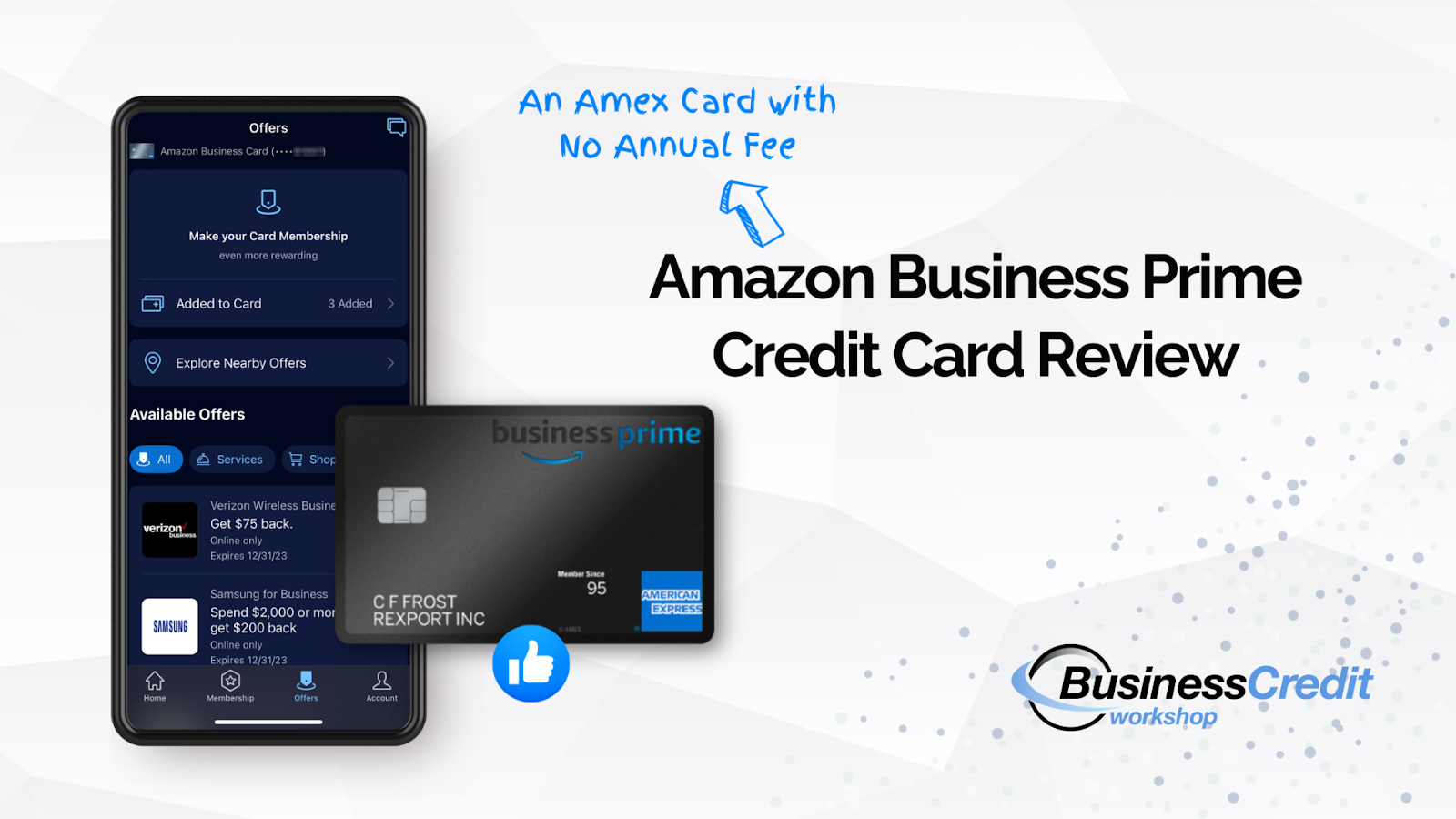
Amazon Business Prime Credit Card

The Amazon Business Prime Credit Card has been around for awhile now, and it’s convenient for business spending with Amazon, AWS, and Whole Foods. But, that isn’t the only reason why you would want one. Here, I’ll lay out the card benefits in full and explain how to get a business credit offer from Amazon and Amex. 

For those who already have the card, I’ll explain how to get the most rewards with your spending and answer some common questions.

Here’s what’s in store: 

  • What is the Amazon Prime Business Credit Card?
    • Amazon Company Overview
  • Amazon Business Prime Credit Card Summary
    • How Does the Amazon Business Card Work?
    • Can Anyone Get an Amazon Business Prime Card?
    • How to Get an Amazon Prime Business Credit Card
  • Frequently Asked Questions
  • Wrapping Up

Let’s roll!

What is the Amazon Prime Business Credit Card? 

The Amazon Business Prime Card is like a VIP pass for your business expenses. With no annual fee, you can snag a $125 Amazon.com Gift Card just for getting approved—nice, right? 

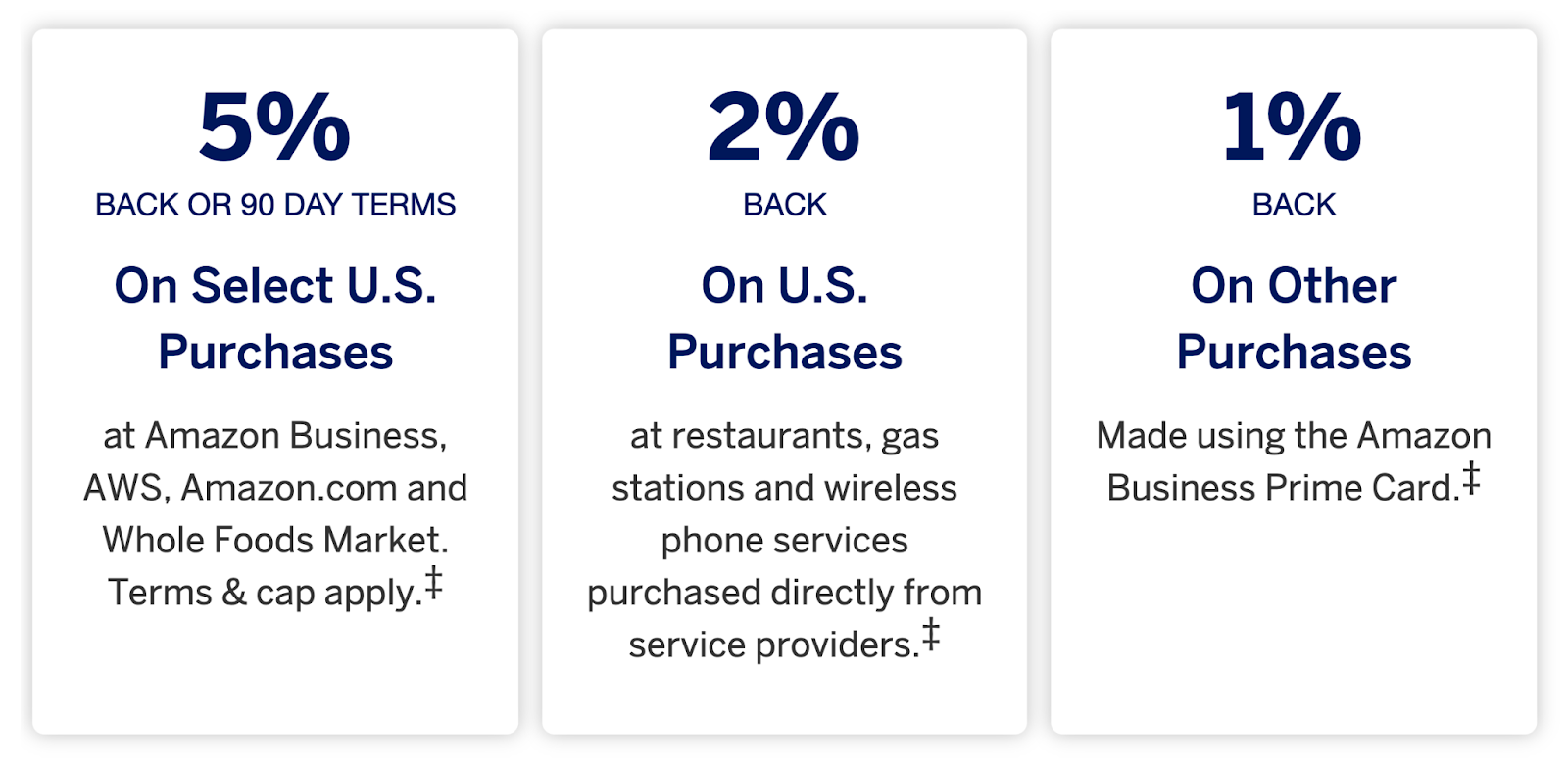
The more you spend at Amazon Business, AWS, Amazon.com, and Whole Foods Market, the more you earn back, like 5% back or 90-day terms on eligible purchases with a Prime membership – Dining out, filling up at gas stations, and handling phone bills also get you some sweet 2% back. Everything else? You still get a cool 1% back. 

Plus, the perks include: 

  • No foreign transaction fees
  • Expense management tools
  • Baggage insurance for your travels 

It’s like your business’s new best friend with benefits! 

You might also like: Amazon Corporate Credit Line – The Ultimate Guide 

Amazon Company Overview 

If you haven’t heard of Amazon, it would surprise me. Still, for the sake of staying true to my comprehensive nature, here’s a quick rundown. 

Amazon is the big dog of online everything…It started as a humble online bookstore in ’94, and look at it now—like the Godzilla of e-commerce. From A to Z, they’ve got it all, and I mean everything: Books, gadgets, groceries, cloud computing, streaming, you name it. 

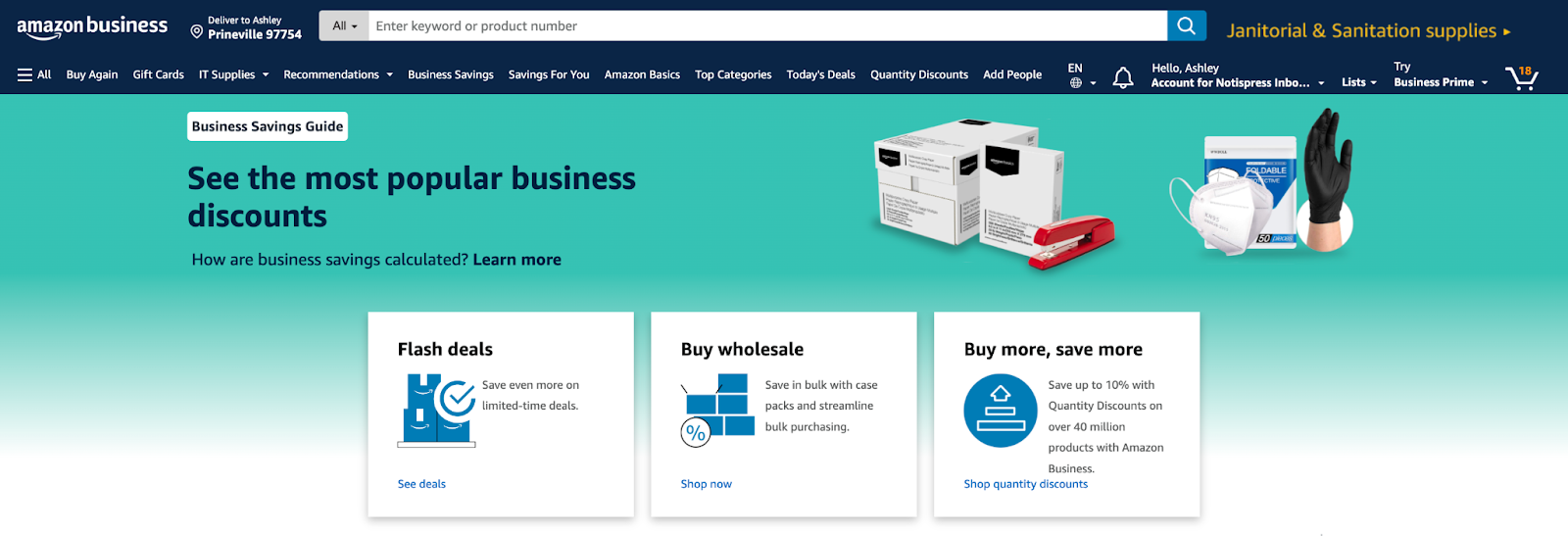
Amazon Business Prime account

The founder, Jeff Bezos, turned a garage project into a tech empire over the course of the past 30 years. Fast shipping? Hello, Prime! They even got drones in the game. With fingers in so many pies, it’s hard to imagine a world without that iconic smiling arrow. 

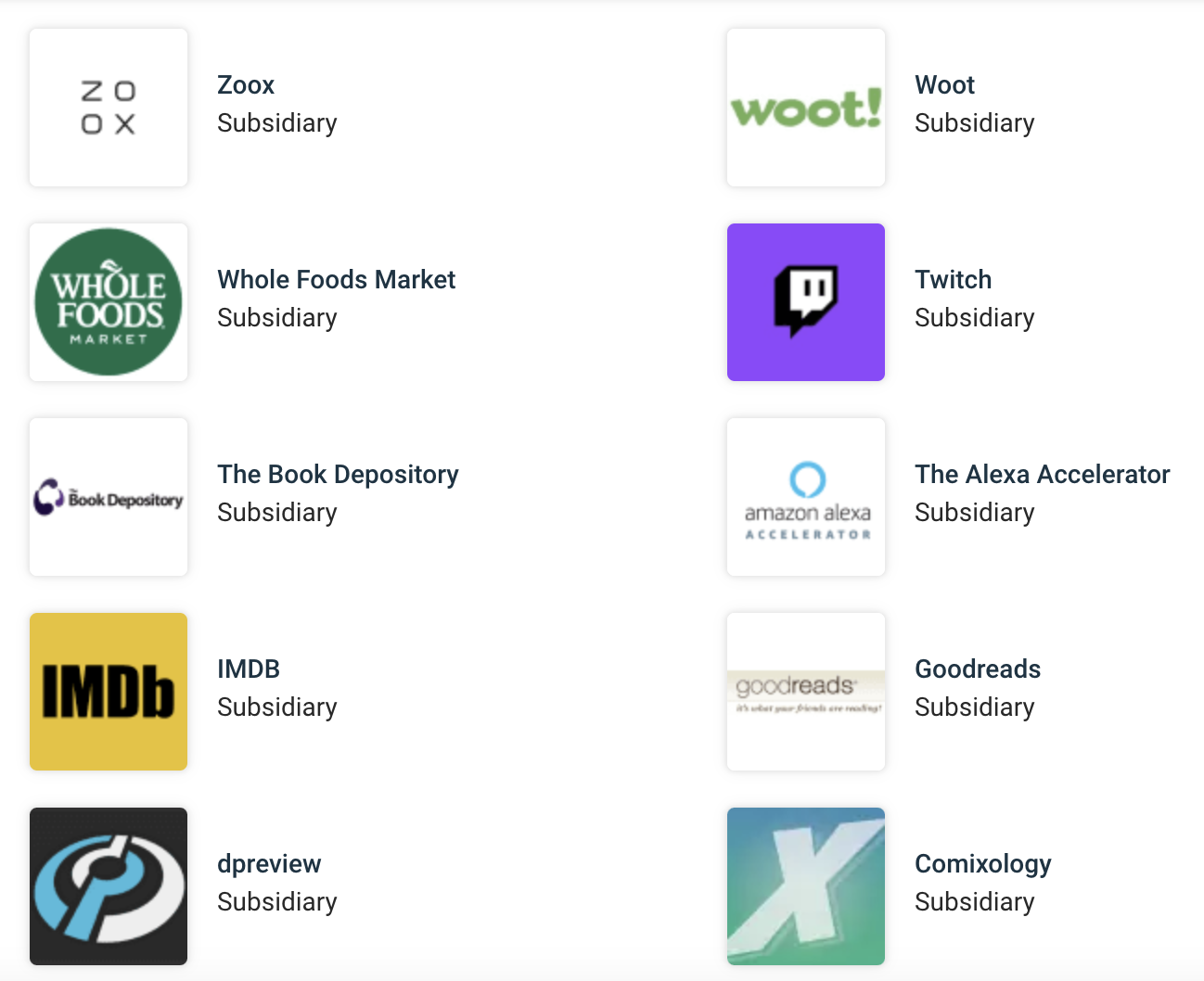
Amazon is a seattle-based company that now has a ton of subsidiaries including Xoox (future driverless, electric taxis), Whole Foods, Twitch, and IMDB. 

Amazon Subsidiaries

The current CEO, Andy Jassy, had been with the company since 1997, founded AWS in 2006, and took over Amazon Inc. when Bezos stepped down in 2021. 

At this point, there aren’t many industries Amazon doesn’t have their hand in. Still, their business credit card is serviced by Warren Buffet’s American Express (a Berkshire Hathaway company). The card doesn’t currently offer cashback on purchases with most subsidiaries, but they’re in an interesting position that would make this possible – I wonder if that’s something we could see in the future. 

Amazon Business Prime Credit Card Summary

Looking to level up your business game? Enter the Amazon Business Prime Credit Card—a great tool for savvy business spenders. From a $125 welcome gift card to cash back rewards on your favorite business expenses, this card is a VIP pass to Amazon-related savings. 

Let’s dive into the details!

How Does the Amazon Business Card Work?

So, how does this card work its magic? It’s all about the cashback game…Let’s review. 

Amazon Prime card for business

You earn 5% back or get extended 90-day terms on U.S. purchases (your choice) at: 

  • Amazon Business
  • AWS
  • Amazon.com
  • Whole Foods Market

The 5% cashback offer is good for up to $120K in spending per year. 

Dining out, fueling up, or sorting out your wireless bills? Enjoy 2% back—every other purchase scores you a solid 1% back. The more you spend, the more you earn. Simple as that.

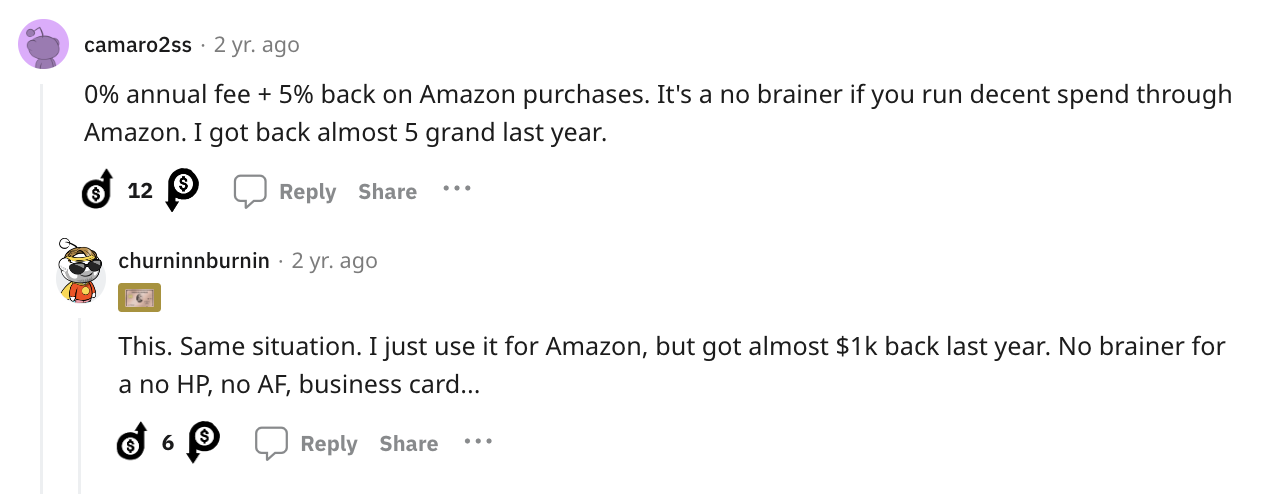
Amazon Business Prime Credit Card review Reddit

Then, as an Amex cardholder, you can take advantages of even more benefits: 

  • Gain deeper insights into your purchases for smarter decisions.
  • Simplify expense reconciliation with itemized, downloadable purchase details.
  • Earn rewards with no expiration, giving you flexibility in usage.
  • Redeem points on Amazon.com and Amazon Business (U.S.) or apply them to your balance.
  • Travel the world without worrying about foreign transaction fees.
  • Enjoy global card acceptance with American Express.

Plus, this card comes with no annual fee (they make up for this with your prime membership fee). If you play the game well, you can end up saving quite a bit. 

Moreover, you can leverage extra protection on purchases made with the card: 

  • Get an extended warranty on items you purchase with the card, up to one extra year.
  • Purchase protection guards your purchases for up to 90 days against theft or accidental damage.
  • Receive support with dispute resolution for any fraudulent or incorrect charges on your statement.

Hopefully, you won’t ever have to use them, but these perks will make life easier if you do. 

You might also like: Marriott Bonvoy Business Credit Card Review & Comparison 

Can Anyone Get an Amazon Business Prime Card?

The Amazon Business Prime Card is up for grabs for any business, but the