• Home
  • Free Funding Guide
  • What We Offer
    • Products
    • Services
    • Free Guide
  • About Us
  • Contact
  • Sign Up

  • Ask Joe Any Question!
  • Business Credit Cards
  • Business Line of Credit
  • Topics

9 Best Business Credit Books Worth Reading in 2024

By Joe

Business Credit Books

The best way to get business credit is to research and learn everything you can about the process. But, that doesn’t mean you should believe everything you read or hear. The best business credit books are those that provide practical advice, real-world examples, and proven strategies from experts who have successfully navigated the business credit landscape.

Here, I share the best business credit books you can invest in to get tangible results.  

This is what’s in store: 

  • What are the Best Books on Business Credit?
    • 4 Best Books on How to Build Business Credit
      • 1. The #1 Technique to Get No-Doc Lines of Credit
      • 2. LLC QuickStart Guide
      • 3. Small Business Finance for the Busy Entrepreneur
      • 4. How to Win Friends and Influence People
    • 5 Best Credit Repair Business Books
      • 1. Credit Secrets
      • 2. How to Remove All Negative Items From Your Credit Report
      • 3. Rapid Results: Credit Repair Credit Dispute Letter System
      • 4. The Culture Code
      • 5. Governance, Risk Management, and Compliance
  • Bonus Tips to Build Business Credit Fast
  • Frequently Asked Questions
  • Obtain Up to $100K in Business Credit With Business Credit Workshop

Now, read on! 

What are the Best Books on Business Credit? 

Business credit books tend to fall into one of two categories. 

  • Books on how to build business credit 
  • Credit repair business books 

So, I’ve included a section here for each segment. First, we’ll look at the best books for small business owners that want to learn how to build business credit. Then, we’ll explore the best books for credit repair business owners. 

You might also like: A Credit Stacking Breakdown: What it is & How it Works 

4 Best Books on How to Build Business Credit

Instead of just relying on your own money, traditional loans, or investors, learning how to build business credit gives you a smart way to access funds that fit your business needs. 

These books can help you keep your personal and business finances separate, lower financial risks, and set your business up for steady growth by using credit wisely and responsibly.

Recommended: This is How to Leverage Business Credit to Transform Your Life 

1. The #1 Technique to Get No-Doc Lines of Credit 
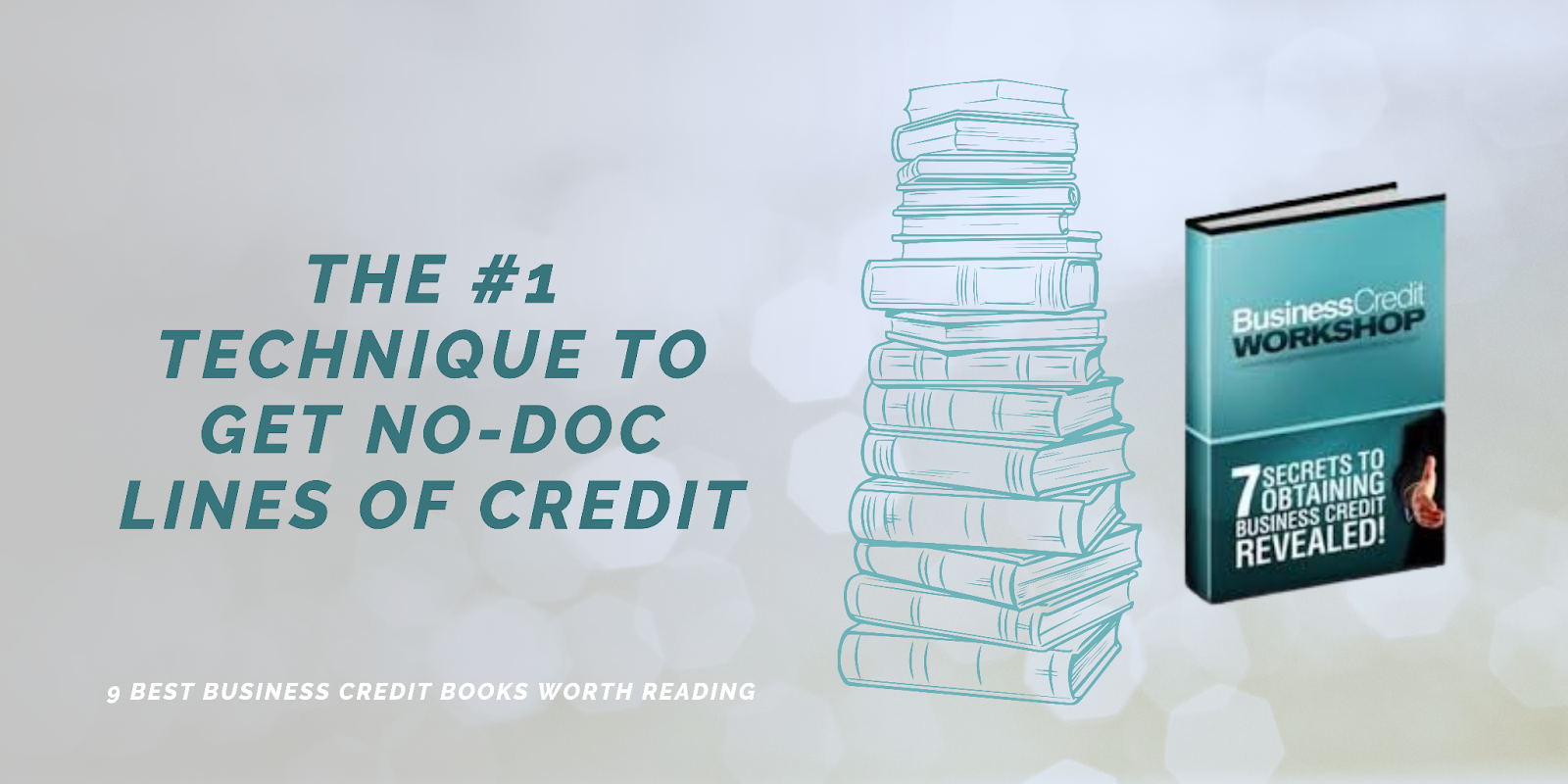
Book Get No-Doc Lines of Credit

The free report on how to obtain up to $100K+ in business credit in 30 days offers a shortcut to acquiring significant business credit quickly, highlighting strategies to secure financing without traditional financial documentation. It outlines essential steps for building a strong business credit profile, the best tradelines for business credit, and identifies top lenders offering lines of credit and credit cards without the need for income verification. 

You’ll need to upgrade to a membership for detailed criteria for lender qualifications and comprehensive strategies for long-term credit management. This report is ideal for small business owners who want rapid access to business credit.

> Get The #1 Technique to Get No-Doc Lines of Credit

2. LLC QuickStart Guide
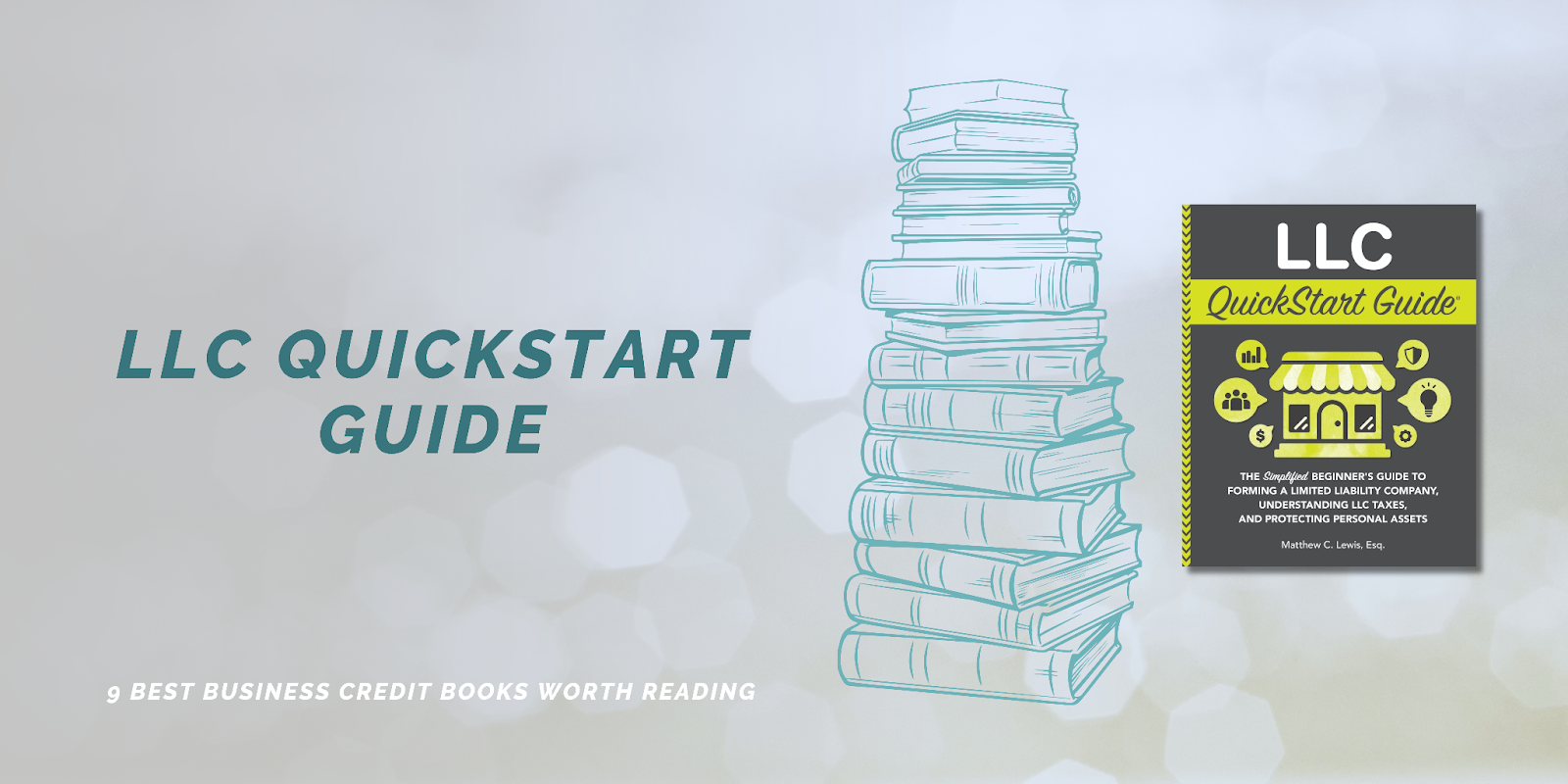
LLC QuickStart Guide

If you’re looking to build business credit, the “LLC QuickStart Guide” by Matthew C. Lewis is a must-read. It covers the essential steps to form a Limited Liability Company (LLC), which is crucial to protect your personal assets and professionalize your business—This book addresses the complete LLC formation process across all 50 states, from documentation and compliance to writing Articles of Organization and an Operating Agreement. 

It also simplifies LLC taxes and offers strategies to minimize tax liabilities. While it’s excellent for understanding the foundational aspects of LLCs and asset protection, you’ll still need additional resources on specific business credit-building strategies and maintaining a strong credit profile over time.

Recommended: This is How to Build Business Credit Fast [Step-by-Step Guide] 

3. Small Business Finance for the Busy Entrepreneur 
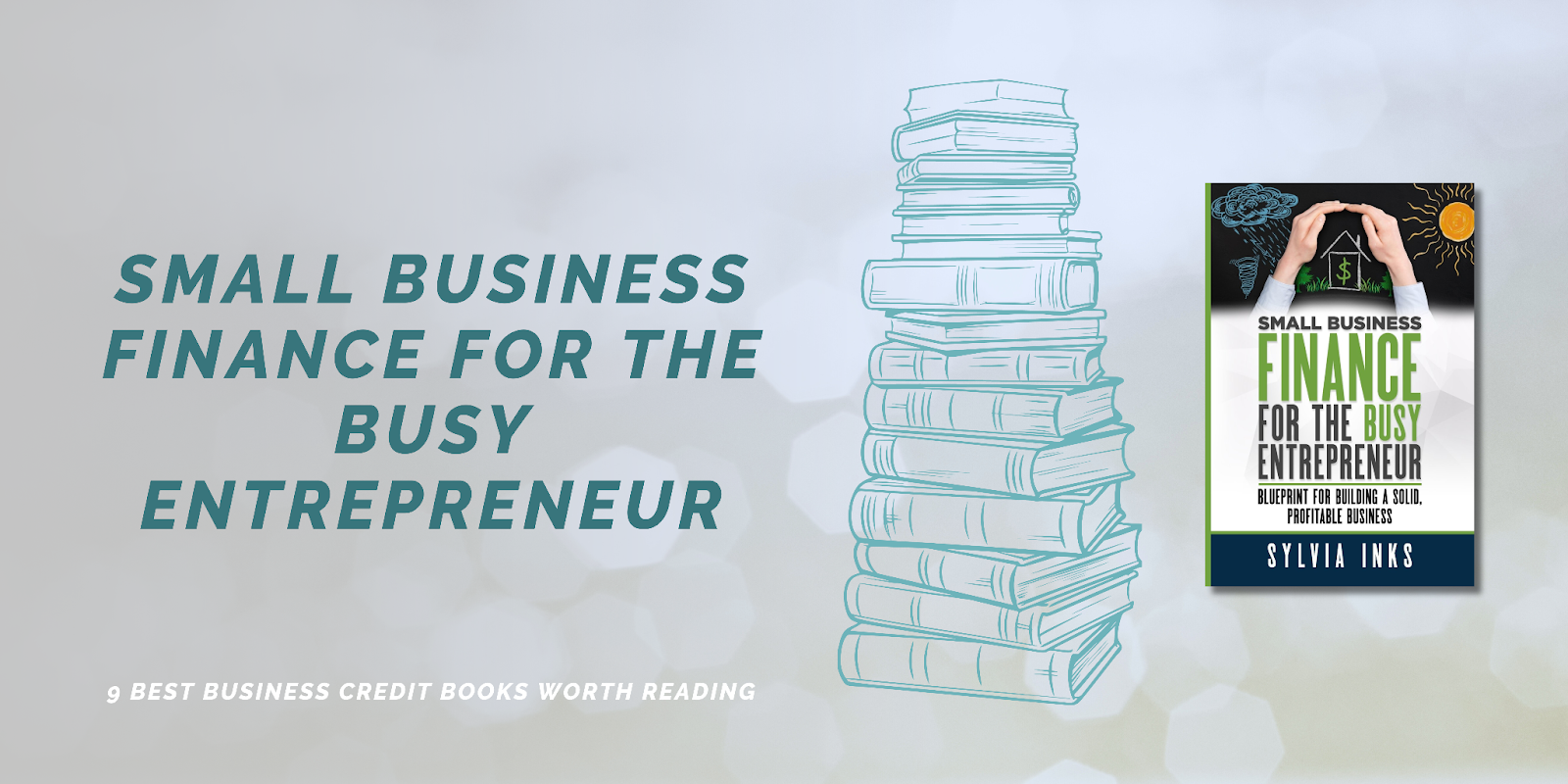
Small Business Finance Book

“Small Business Finance for the Busy Entrepreneur” by Sylvia Inks is invaluable when you’re looking to build business credit because it focuses on practical financial strategies essential for sustainable business growth. It addresses crucial elements such as how to understand business finances, manage cash flow effectively, and make informed financial decisions—all vital to lay a solid foundation to qualify for and manage business credit. 

This book stands out by offering step-by-step instructions and real-life case studies that illustrate the impact of financial management on business success. However, while it excels in financial management tips, you’ll still need to supplement with resources specifically tailored to building and managing business credit profiles, including nuances of credit reporting and strategies to establish credit relationships with lenders effectively.

You might also like: 1-800Accountant Reviews: Expectations vs Reality 

4. How to Win Friends and Influence People

Dale Carnegie Book

When you’re aiming to build business credit, “How to Win Friends & Influence People” by Dale Carnegie offers timeless insights that can be instrumental, especially in networking with local banks—a critical aspect of credit building. This classic emphasizes interpersonal skills crucial for fostering positive relationships, which are vital when approaching lenders for business credit. 

It addresses foundational elements like building rapport, understanding others’ perspectives, and influencing decisions positively. However, while it excels in interpersonal strategies beneficial for networking, you’ll need additional resources focused specifically on financial literacy, credit reporting nuances, and practical steps to establish and maintain a robust business credit profile effectively.

You might also like: 3 Best Credit Unions for Small Business Banking in 2024 

5 Best Credit Repair Business Books 

Instead of relying solely on personal strategies or generic financial advice, learning from credit repair business books provides you with specialized knowledge to effectively navigate the complexities of offering credit repair services.

These books offer targeted insights into: 

  • Improving credit scores
  • Disputing inaccuracies
  • Guiding clients toward financial health

They equip you with proven techniques and legal guidelines essential for helping individuals and businesses regain financial stability and achieve their credit goals responsibly.

1. Credit Secrets 
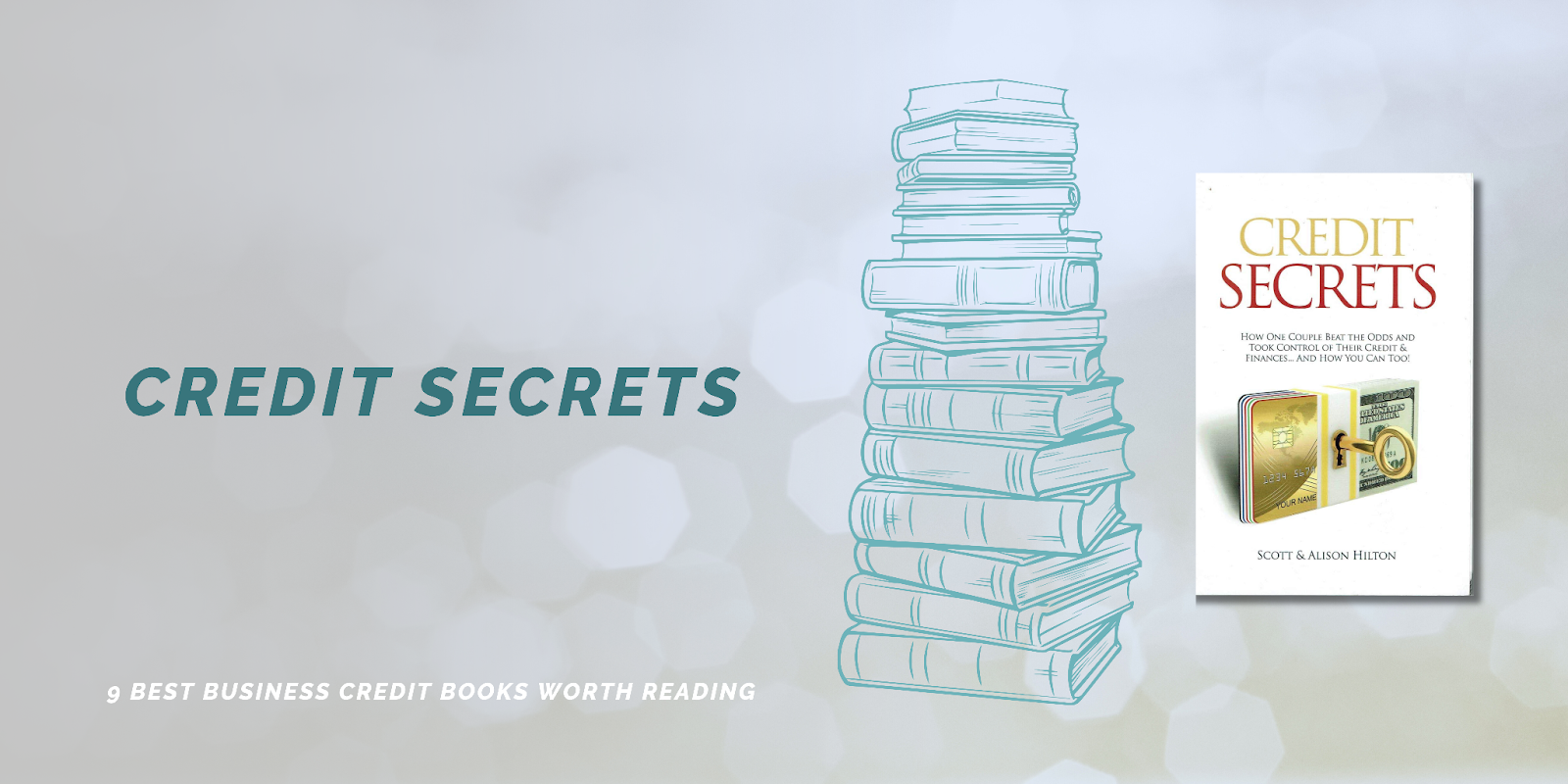
Credit Secrets Book

“Credit Secrets” by Scott and Alison Hilton is ideal for anyone diving into the credit repair business because it delves into practical strategies that helped the authors overcome financial challenges. 

It covers essential elements like: 

  • Understanding credit repair techniques
  • Negotiating with creditors
  • Leveraging legal protections for consumers 

This book provides valuable insights into building a credit repair business by sharing personal experiences and proven methods that can help clients improve their credit scores. 

However, while it offers foundational knowledge and success stories, you’ll need additional resources to navigate legal complexities, stay updated on industry regulations, and master advanced credit repair techniques.

Recommended: Credit Secrets Book Review: Can You Erase Bad Credit History? 

2. How to Remove All Negative Items From Your Credit Report
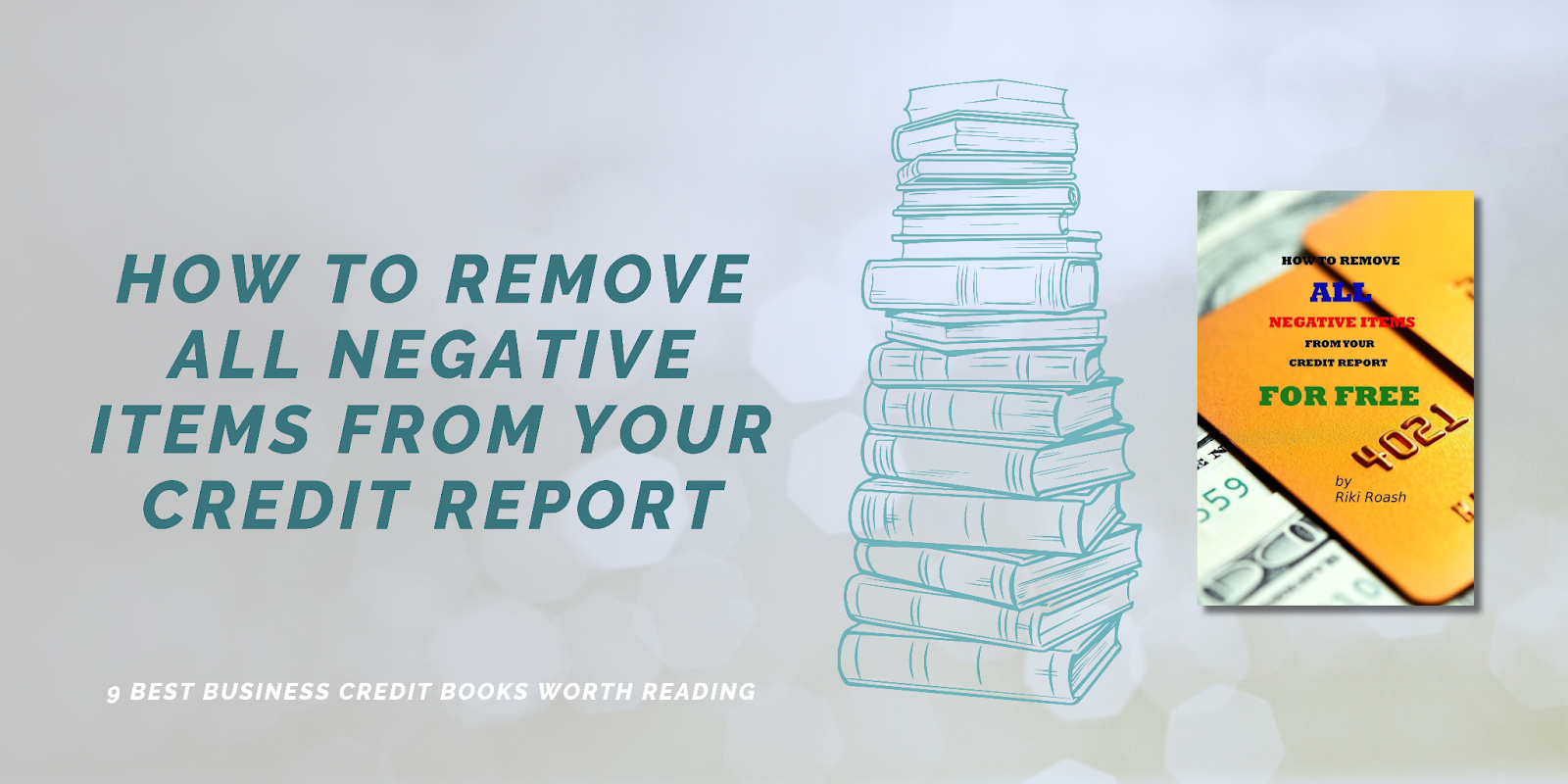
Remove Negative Credit Items Book

The book ‘How to Remove ALL Negative Items from your Credit Report’ by Riki Roash is a valuable resource for anyone starting a credit repair business because it provides a straightforward, do-it-yourself approach to removing derogatory items from credit reports. 

It’s particularly useful for understanding the exact steps professionals use to dispute and remove negative marks, such as charge-offs, bankruptcies, and late payments, which is essential knowledge in the credit repair industry. By following Roash’s step-by-step guide, aspiring credit repair professionals can learn how to navigate the credit reporting system effectively and help clients improve their credit scores. 

However, while this book offers practical methods for disputing negative items, building a successful credit repair business also requires understanding consumer protection laws, ethical guidelines, effective client communication, and ongoing updates on credit industry regulations. This additional knowledge ensures compliance and enhances the credibility and effectiveness of the credit repair services provided.

You might also like: Is Credit Suite Legit? — A Business Credit Expert Review 

3. Rapid Results: Credit Repair Credit Dispute Letter System
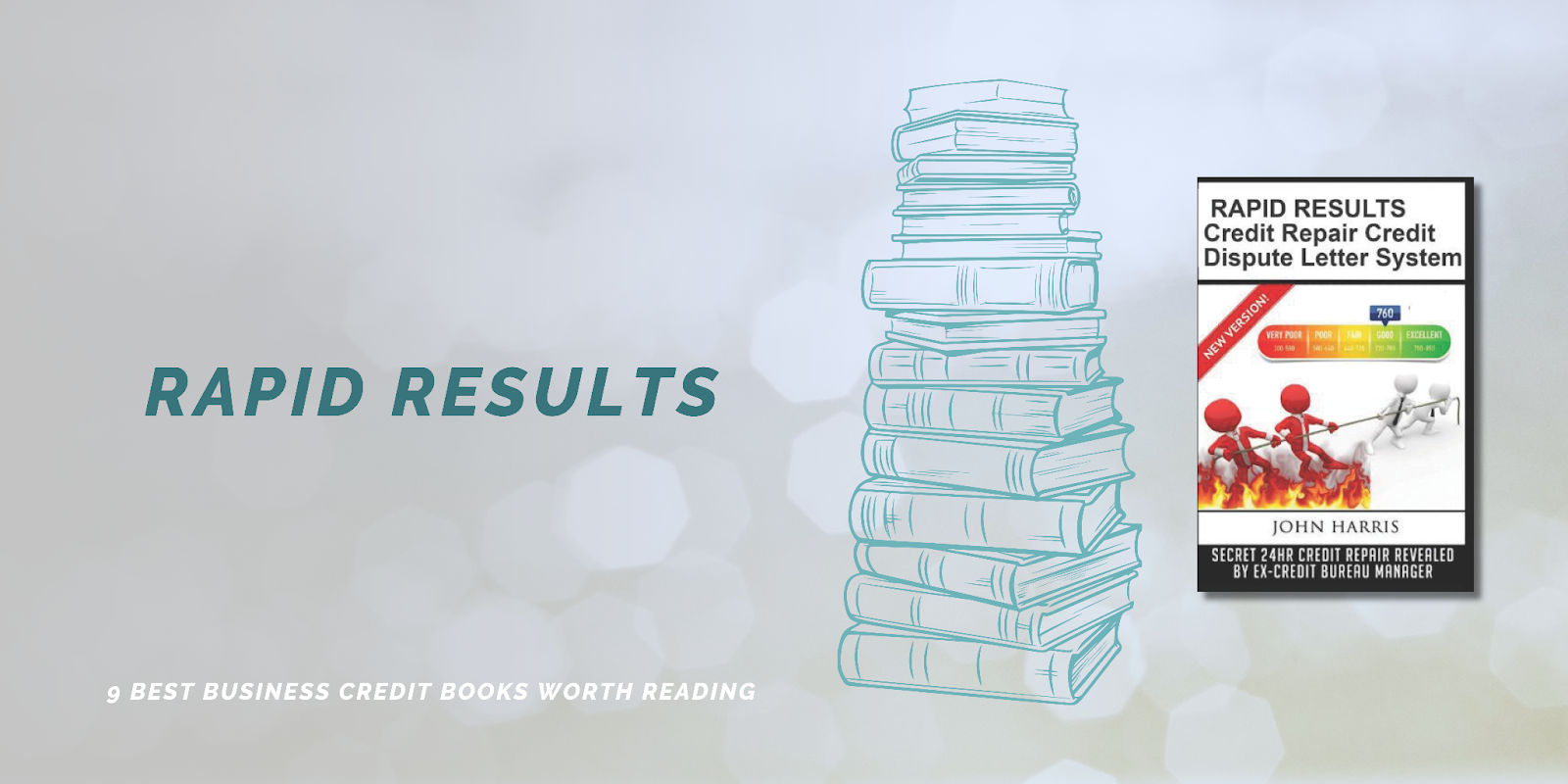
Dispute Letters Book

“RAPID RESULTS Credit Repair Credit Dispute Letter System” by John D Harris is a valuable resource for anyone entering the credit repair business because it offers a comprehensive system backed by the author’s extensive expertise in finance and credit management. 

Harris, with a background as a loans officer and Credit Bureau Manager, provides insider knowledge on effective credit dispute strategies and how to navigate recent legal changes affecting credit repair practices—His inclusion of attorney-written dispute letters and direct email support makes this book particularly practical for beginners looking to initiate credit repair services. 

However, while it covers essential dispute tactics and provides direct access to the author for guidance, aspiring credit repair professionals will still need to deepen their understanding of compliance with the Credit Repair Organizations Act (CROA), maintain awareness of evolving industry standards, and develop additional skills in client communication and service delivery.

You might also like: Credit Repair Cloud Reviews Examined: Is This Offer Legit?  

4. The Culture Code
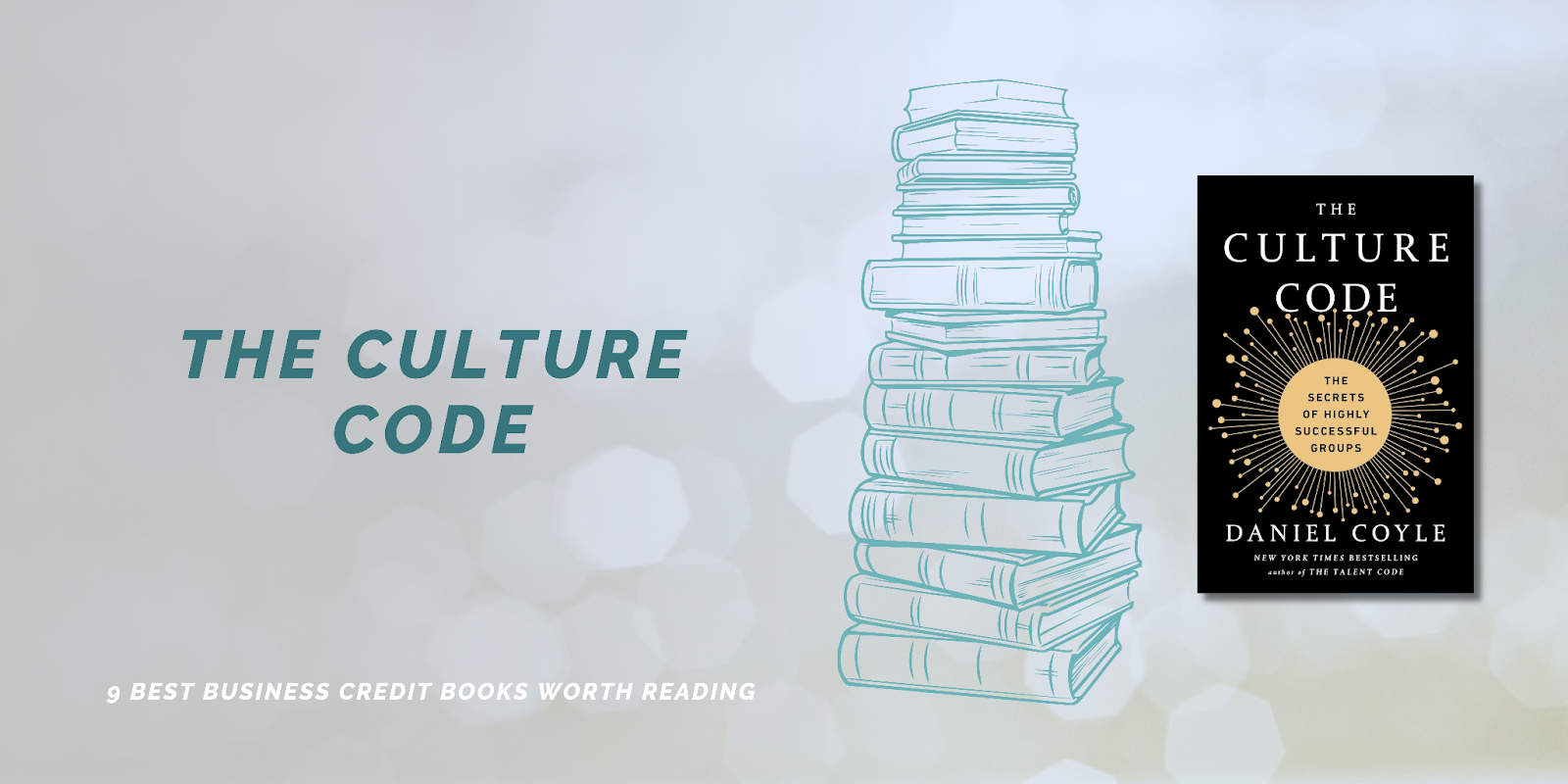
The Culture Code Book

“The Culture Code” by Daniel Coyle is a valuable resource for anyone entering the credit repair business because it provides essential insights into building a cohesive and motivated organizational culture, which is crucial for fostering teamwork and achieving business success. 

Coyle explores how successful groups like SEAL Team Six and IDEO cultivate strong cultures of: 

  • Trust
  • Collaboration
  • Innovation

The practical strategies that can be applied to any organization, including credit repair firms—It addresses key elements such as fostering trust among team members, promoting effective communication, and creating an environment where learning and adaptation thrive. 

However, while it excels in explaining the dynamics of successful group cultures, aspiring credit repair professionals will still need to focus on specific industry knowledge like consumer credit laws, ethical practices in credit repair, client management strategies, and the latest developments in credit reporting and scoring systems.

You might also like: From Hire to Retire – Finding & Engaging a Committed Workforce 

5. Governance, Risk Management, and Compliance
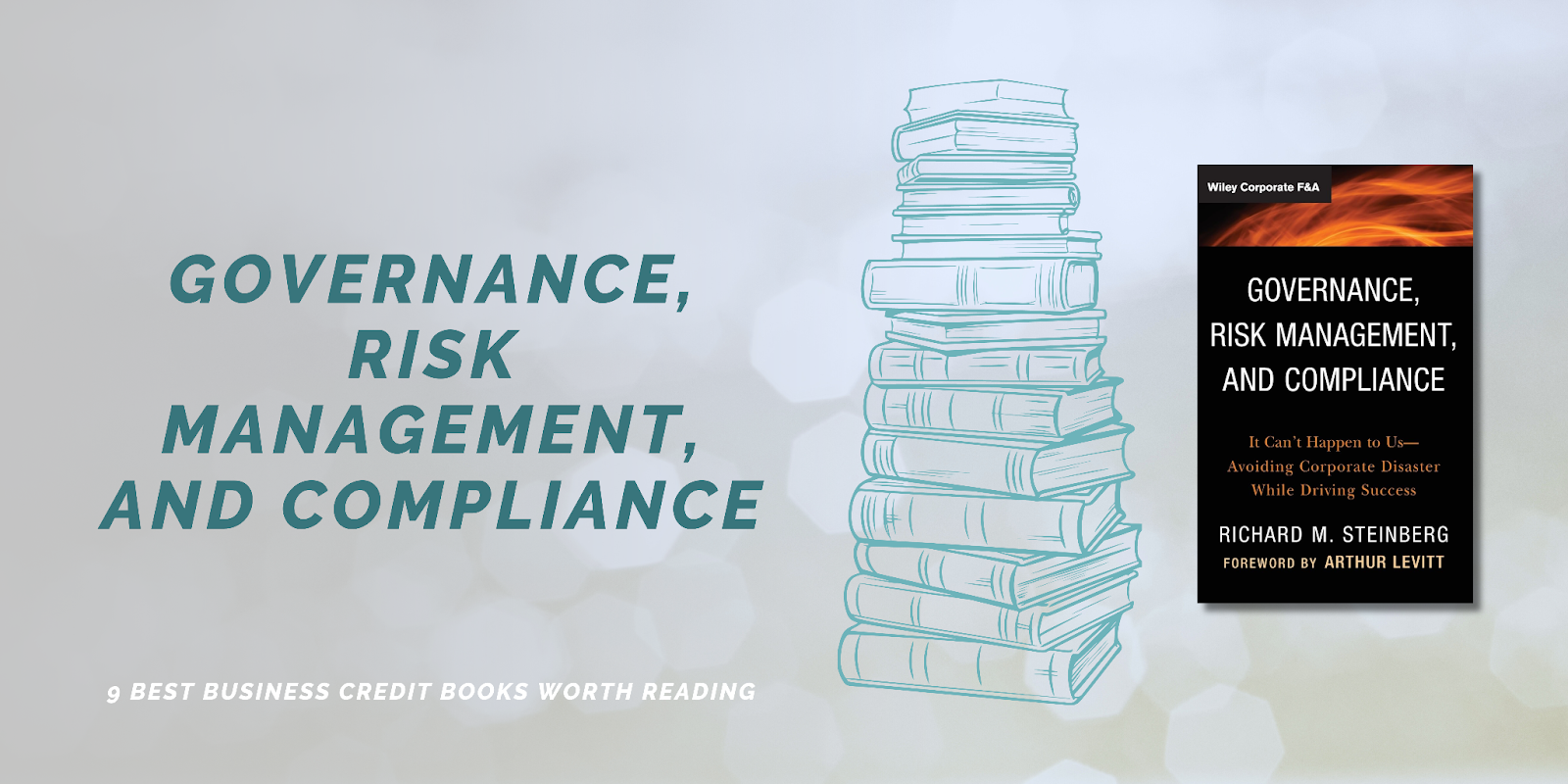
Compliance Book

“Governance, Risk Management, and Compliance” by Richard M. Steinberg is a valuable read when you’re venturing into the credit repair business because it offers deep insights into how effective governance and risk management strategies can safeguard businesses against pitfalls and enhance long-term success. 

Steinberg, a renowned expert in corporate governance, provides practical guidance on how to establish: 

  • Robust processes
  • Organizational structures
  • Essential technologies

You can use this information to achieve your goals while navigating regulatory landscapes. The book delves into critical elements like compliance programs, risk management practices, and the board’s role in overseeing corporate strategy and performance measures. 

However, while it addresses foundational aspects crucial for business stability and growth, aspiring credit repair professionals will need to complement this knowledge with specific expertise in consumer credit laws, effective dispute resolution techniques, client relationship management, and ongoing industry developments.

You might also like: Business Credit Repair: How to Get Your Business Credit Back on Track 

Bonus Tips to Build Business Credit Fast

Here are some essential tips to guide you as you build your business credit profile:

  1. Start small — Begin with smaller credit lines and manage them carefully. This approach demonstrates reliability to future lenders and sets a strong foundation.
  2. Always pay your bills on time — Timely payments are crucial for building a solid credit reputation and unlocking larger credit opportunities in the future.
  3. Diversify your credit — Explore various credit options such as business credit cards, trade lines with suppliers, and small lines of credit. This diversification reduces financial risk and showcases your ability to manage multiple credit relationships effectively.
  4. Build relationships with lenders — Foster positive connections with lenders and vendors who report to business credit agencies. Their endorsements can significantly enhance your credit standing and lead to better terms.

Remember, building business credit is a gradual process. Each strategic step you take strengthens your business’s financial health and opens doors to greater growth opportunities.

Frequently Asked Questions

What is good credit to start a business? 

A good personal credit score to start a business is typically 700 or higher. But, having a strong business credit profile is equally important, which involves having a solid payment history, low debt levels, and positive relationships with lenders and vendors.

Can I get credit with my LLC? 

Yes, you can get credit with your LLC. Establish business credit by obtaining an Employer Identification Number (EIN), open a business bank account, access tradelines that report to business credit bureaus, and apply for the right business credit cards or lines of credit. Keep personal and business finances separate to build a strong business credit profile.

How to get a 100 business credit score? 

To achieve a perfect 100 business credit score, pay all your bills on time or early, maintain low credit utilization ratios, and establish diverse credit accounts such as trade lines and business credit cards. Regularly monitor your business credit reports for accuracy and develop strong relationships with vendors who report to credit bureaus. 

How do I get my first business credit line? 

To get your first business credit, register your business and get an EIN. Open a business bank account, apply for a business credit card or a small line of credit, and establish trade lines with vendors that report to business credit bureaus. Ensure all payments are made on time to build a positive credit history.

Obtain Up to $100K in Business Credit With Business Credit Workshop

Don’t miss out on the transformative power of business credit to lift your business. Mastering business credit isn’t just about funding—it’s about seizing opportunities that propel your growth and secure your financial future. Imagine accessing up to $100K in business credit within 30 days, empowering you to scale operations, invest in marketing, expand your team, or seize new business ventures. 

Start paving the way to financial independence and business success now! Join Business Credit Workshop today!

Centier Bank Review: Is it Ideal for Business Owners too? 

By Joe

Centier Bank Review

Last year, Centier Bank was named on Forbes’ list of best-in-state banks in Indiana, and their account holder ratings tend to be great. But, I wanted to know more about their offer as it applies to businesses, so I did the deep dive. 

If you’re a business owner, your bank account is a fundamental asset – you need to know you’re banking at the right institution, especially if you plan to apply for credit. 

So, is this where you should be banking? Let’s find out. 

Here’s what’s in store: 

  • What Makes a Business Bank Account so Significant?
  • What Kind of Bank is Centier?
    • Centier Bank Company Overview
  • Centier Bank Business Offer Summary
    • Business Banking Products
    • Online & Mobile Banking
    • Autobooks™
    • Business Funding Offers
    • Centier Bank Commercial Card
  • Frequently Asked Questions
  • Final Thoughts

So, let’s jump in! 

What Makes a Business Bank Account so Significant? 

You probably already know that a business bank account is important because it keeps your business money separate from your personal cash. Naturally, it makes you look pro in front of clients and keeps the taxman happy. 

Plus, you get access to cool business services like loans and credit cards. It’s convenient too with online banking. And, it helps build your business’s credit history, which is awesome for getting loans or sweet deals from suppliers. 

And, it can protect your personal stuff if things go south with your business. While some contractors and solopreneurs opt to use one account for business and personal transactions, the institution you bank with is definitely a big deal for any business!

Now, what you may not know is that your relationship with your bank is one of the most powerful assets you can nurture when you want substantial lines of credit. So, let’s find out if Centier has the right stuff. 

Recommended: This is How to Build Business Credit Fast [Step-by-Step Guide]   

What Kind of Bank is Centier? 

Centier Bank is a family-owned bank that primarily operates in the state of Indiana, USA. It’s considered a regional bank with a strong focus on community banking. As a family-owned institution, it often emphasizes personalized service and community involvement. 

Centier Bank provides a range of financial services, including: 

  • Personal banking 
  • Business banking
  • Loans
  • Credit services
  • CDs and IRAs

Its community-oriented approach sets it apart from larger, national banks, making it a more personal and local choice for customers in Indiana.

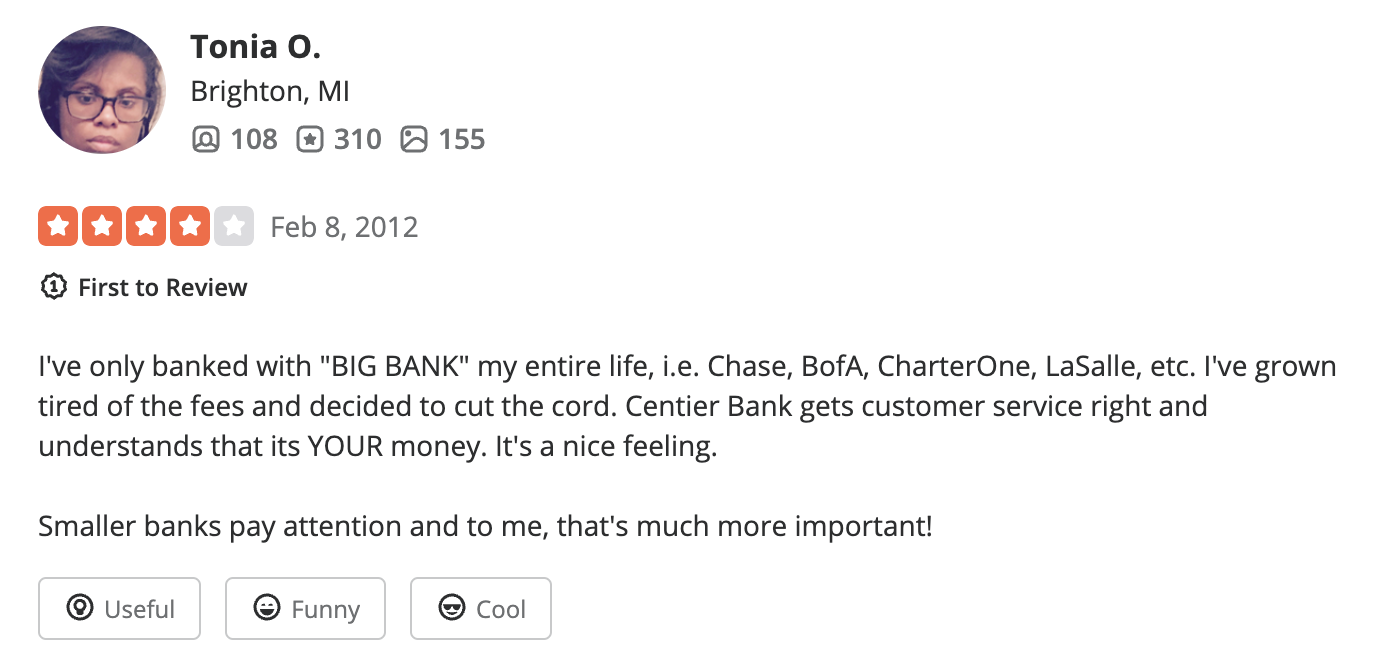
Centier Bank Review Yelp

In our workshops, I typically recommend that business owners bank away from bigger banks. I often cite community banks and credit unions as the best places to open business accounts. For the record, I’m also a fan of many regional banks.

Recommended: 3 Best Credit Unions for Small Business Banking

Centier Bank Company Overview

Henry Schrage founded Centier Bank in 1895, and the company has been registered in the state of Indiana since 1937 – The institution has been around for over a century. So far, the Schrage family still stands behind their “not for sale” promise to account holders and the community. 

I suspected that, after some digging, I might find that the company had been sold, in part, to someone outside the family…many times, marketing teams take plenty of liberty with their messaging. Fortunately, this time, that’s not the case. The current President and Director of Centier is Michael E. Schrage, Henry Schrage’s great grandson. 

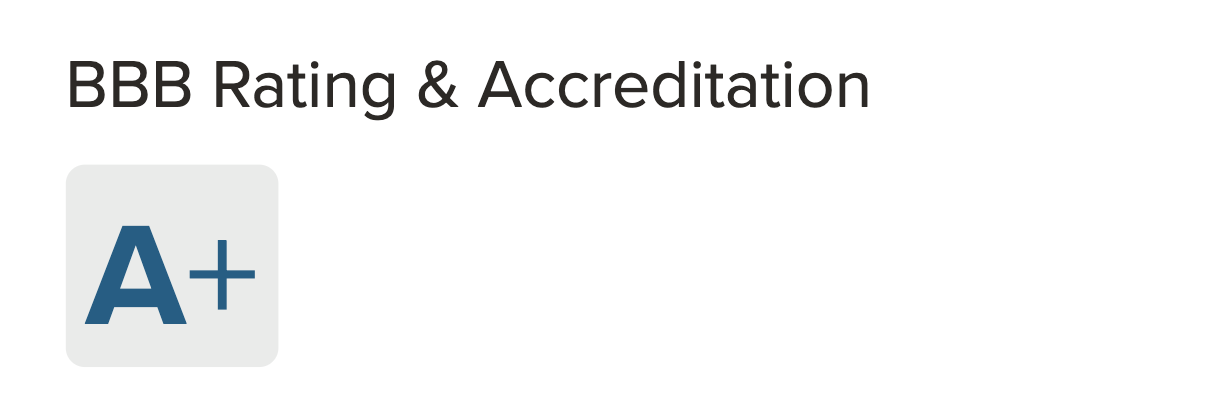
Centier Bank Reviews BBB

In my experience, this level of transparency is quite rare, and it impresses me. The Schrage’s even opened a museum that details the history of Centier in Whiting, Indiana (about a 40 minute drive from the bank’s headquarters in Merrillville). 

Centier is the state of Indiana’s largest privately-owned bank, so the offer falls somewhere on the midline between big bank and community credit union. 

And, just for fun, here’s an image of a Minecraft build of the Centier Bank tower and lobby in Gary, Indiana by u/WillofIam.

Centier Bank Reviews Reddit

Recommended: Low-Risk NAICS Codes +Best SIC Codes for Business Credit in 2023 

Centier Bank Business Offer Summary

If you’re thinking of conducting any business banking with Centier, you need to know about more than the company size and leadership. So, let’s explore some details about the financial products. 

Business Banking Products

Centier Bank Business Checking Account

Centier Bank offers two business checking account options. 

The MyBiz Checking account is well-suited for small to mid-sized businesses. It provides features like free first 400 transactions, a business debit card, and various digital banking features, including account management and bill payments. Notably, this account does not have a monthly fee.

For businesses requiring Automated Clearing House (ACH) transfers and domestic Wire Transfers, the MyBiz Plus Checking account is an option. It has the same features as MyBiz Checking but includes ACH Origination and Wire Origination for a monthly fee of $15. 

These accounts cater to various business sizes and operational requirements, making Centier Bank a versatile choice for business banking needs.

Centier Bank Business Savings Account

Centier also offers a business savings account. It’s a no-frills business savings account designed to help businesses grow their savings while keeping costs in check.

The Commercial Savings account offered by Centier Bank is a straightforward option for businesses looking to save. To avoid the $3 monthly fee, you’ll need to maintain a minimum balance of $1,000 – This account earns monthly interest if the minimum balance is maintained, provides online access, and is FDIC insured, ensuring the safety of deposited funds. 

Centier Bank’s savings account interest rate is not disclosed in their advertising because it’s variable for the Commercial Savings accounts. However, personal accounts can earn up to 5%, so the amount is likely to be somewhere in this realm. Connecting your savings account to your checking account will impact the rate, as will the number of transactions going through your checking account each month. 

Recommended: Dun & Bradstreet / How to get a DUNS Number 

Online & Mobile Banking

How do I check my Centier balance?

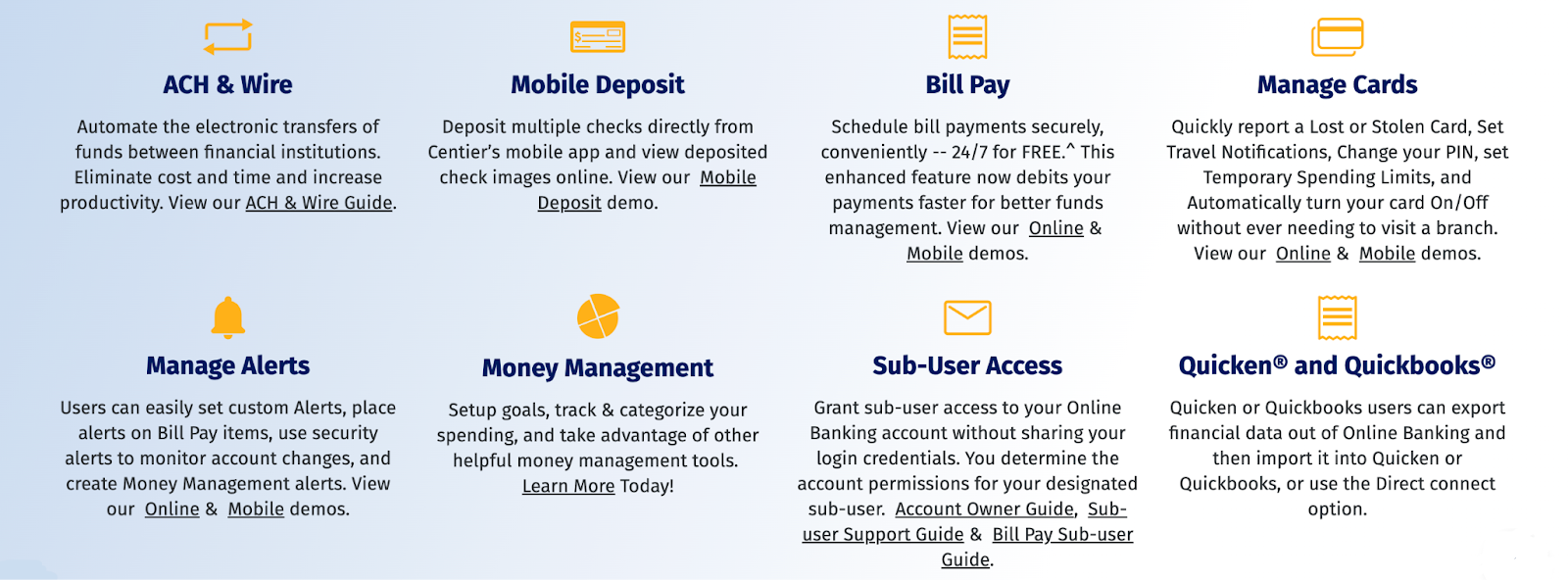
Centier Bank’s business online and mobile banking offers a range of features to facilitate efficient banking for businesses:

  • Nationwide ATMs – Access to a wide network of ATMs.
  • ACH & wire – Facilitates electronic fund transfers between institutions.
  • Unlimited checks – No restrictions on check usage.
  • Mobile deposit – Allows depositing multiple checks through the mobile app.
  • Bill pay – Provides secure 24/7 bill payment services.
  • Manage cards – Easily handle card-related tasks.
  • Manage alerts – Customizable notification settings.
  • Money management – Tools to track expenses and financial goals.
  • Sub-user access – Control online banking permissions.
  • Quicken® and Quickbooks® integration – Convenient data export to popular financial software programs (in addition to Autobooks™).
  • Mobile banking app – 24/7 access to banking services.
  • Digital wallet – Compatibility with various mobile payment options like Google Pay and Apple Pay.

These services aim to streamline business banking, but specific terms and fees may apply depending on the chosen features.

Recommended: 6 Best Fintech Credit Cards to Apply for (Consumer & Business) 

Autobooks™ 

Centier Bank App

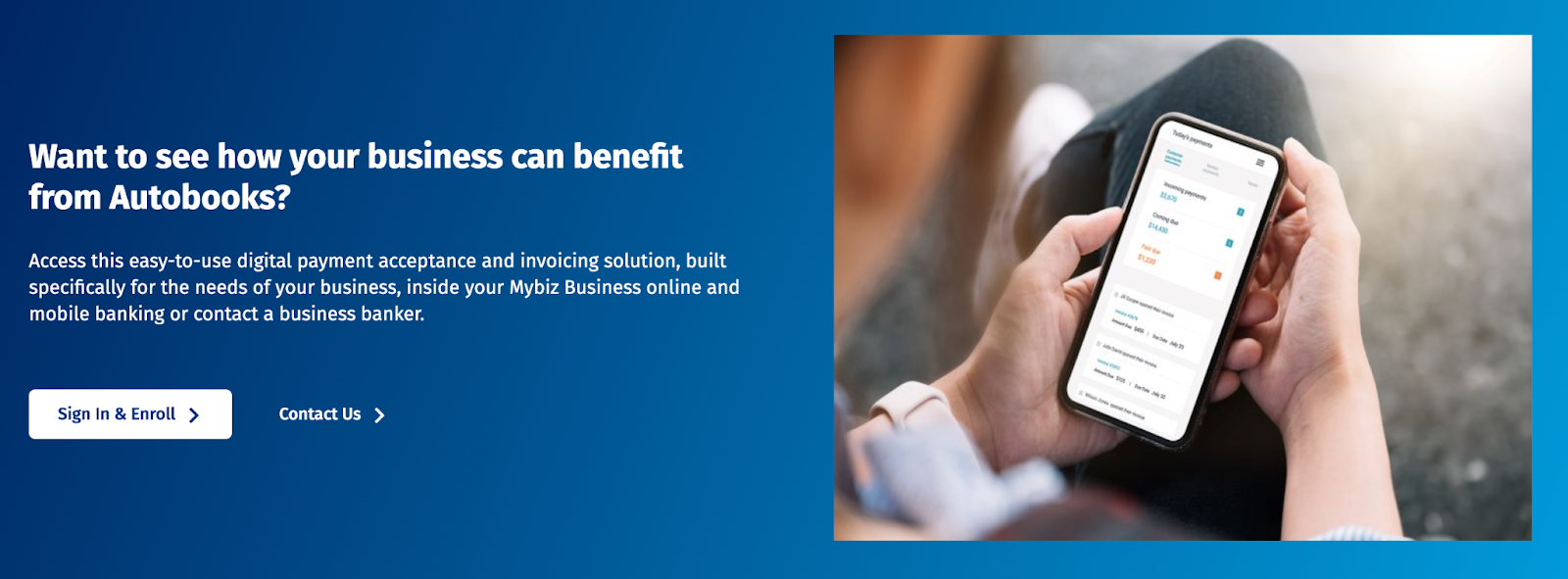
Autobooks™ is Centier’s bespoke digital payment solution for small businesses.

Features include:

  • Receive payments directly in your online and mobile banking.
  • Accept credit cards, debit cards, and ACH transfers.
  • Create custom digital invoices with your logo.
  • Easily monitor all transactions in one place.
  • Automate bookkeeping entries and access financial reports.
  • Receive expertise from Centier’s Business Banking team.

This solution can simplify payment processing and invoicing, accessible in your Mybiz Business dashboard and mobile banking. A transaction fee applies for card-based and ACH transactions after the first two months free trial.

The transaction fee for Autobooks™ is as follows:

  • 3.49% of the transaction amount for card-based transactions.
  • 1% of the transaction amount for ACH.

It’s important to note that there are no equipment costs or per-item charges associated with Autobooks.

Recommended: This is How to Leverage Business Credit to Transform Your Life 

Business Funding Offers

Centier Bank Business Credit Card

Centier Bank also offers a variety of business loans and lines of credit: 

  1. Term loans – These provide extended working capital with various terms and repayment choices, making them suitable for real estate acquisition, equipment purchase, and expansion.
  2. Lines of credit – Seasonal and revolving lines of credit offer short-term working capital to supplement cash flows, aiding in financing seasonal expenses and supplier discounts.
  3. Letters of credit – These assist in guaranteeing payment to suppliers and establishing credit with new vendors, whether for local or global trade.
  4. Middle market loans – Available for businesses with financing requirements from $1,000,000 to $115,000,000+, providing a diverse lending solution.
  5. Small business loans – Assistance with navigating Small Business Administration (SBA) loan options is available to help businesses find the most suitable option.

The terms for these Centier’s funding options vary. You can find our more by reaching out to a Centier banker in your area. 

Recommended: 6 Best Business Credit Cards for Entrepreneurs: Fuel Your Growth

Centier Bank Commercial Card

Centier Bank Credit Card

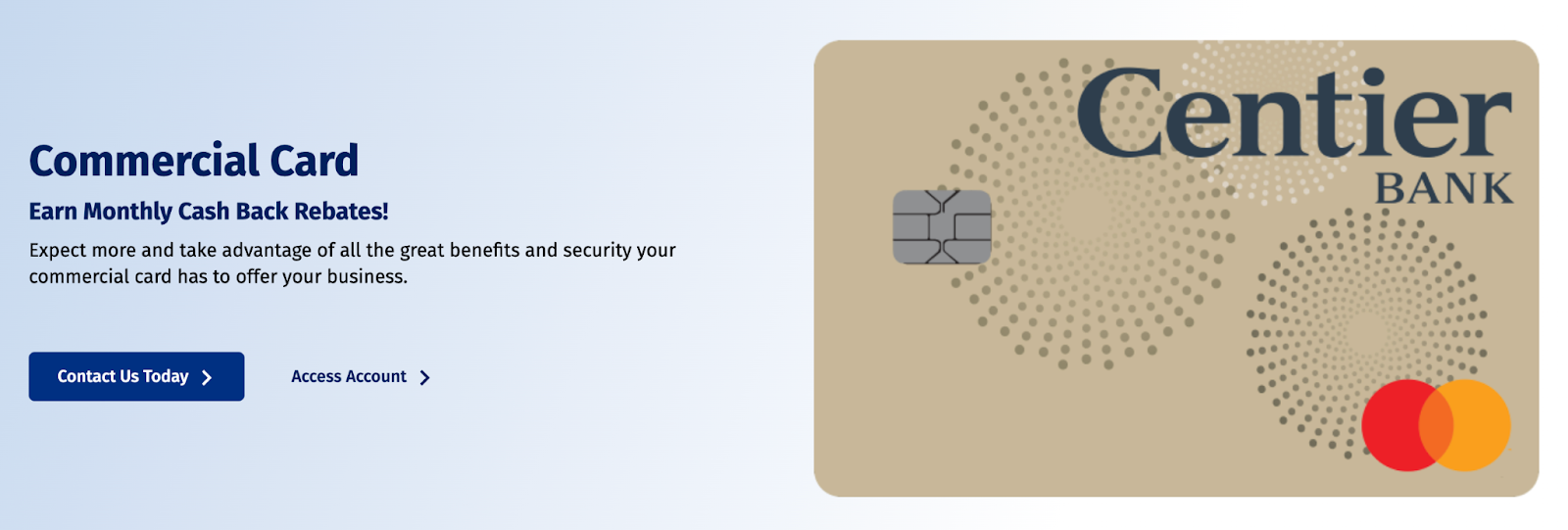
Centier Bank’s Commercial Card offers a range of benefits for your business. With this card, you can earn monthly cash back rebates, which are deposited directly into your Centier Business Checking account. 

The best part? – There are no membership or monthly service fees, and monthly payments are automatically debited from your business checking account for added convenience. 

You can also: 

  • Manage your cards
  • View account activity and statements
  • Run audit reports online
  • Issue employee cards
  • Monitor and control spending

Additionally, you can rest easy knowing that Mastercard provides protection against unauthorized charges if your card is ever lost or stolen. 

Recommended: Have You Heard About the Free Stripe Cashback Corporate Card? 

Frequently Asked Questions

What type of bank is Centier? 

Centier Bank is a full-service regional bank based in Indiana, offering a wide range of personal and business banking services, including checking and savings accounts, loans, credit cards, and more. It is a community-focused bank with a strong local presence.

Is Centier Bank FDIC insured? 

Yes, Centier Bank is FDIC insured. Your deposits with Centier Bank are insured by the Federal Deposit Insurance Corporation (FDIC) up to the maximum allowable limit, providing a high level of security for your funds.

What is the cut off time for Centier bank? 

The cut-off time for Centier Bank may vary depending on the specific transaction or service. It is advisable to contact your local Centier Bank branch or their customer service for precise cut-off times related to your banking needs.

How long does it take for a deposit to go through Centier? 

The processing time for deposits at Centier Bank can vary depending on the type of deposit and the specific transaction. Electronic transfers and direct deposits typically clear within a business day. For detailed information regarding a specific deposit, contact Centier Bank directly for accurate processing times.

Final Thoughts

In summary, Centier Bank offers a strong choice for business owners. They provide a range of business banking services, including tailored checking and savings accounts, funding options, and the Autobooks™ solution for payment processing.

As a family-owned regional bank in Indiana, Centier emphasizes community involvement and personalized service. Their online and mobile banking services offer convenience and flexibility.

The Commercial Card allows businesses to earn cash back rebates without monthly fees, making it a beneficial choice. Centier Bank is also FDIC insured, ensuring the safety of your funds.

Overall, if you’re a business owner in Indiana, Centier Bank is a solid and community-focused banking option to consider.Interested in learning how to get up to $100K in business credit in as few as 30 days? Join Business Credit Workshop today!   
Uncover the Best Credit Card for Your Agriculture Business

By Joe

best credit card for agriculture business

If you’re an agriculture business owner, you know that there are a lot of expenses involved in running your operation. From buying supplies to hiring employees, it can be tough to keep up with the costs. That’s where a business credit card can come in handy.

A business credit card can help you earn rewards on your purchases, which can be used to offset your business expenses. Plus, many business credit cards offer other benefits, such as travel insurance and purchase protection.

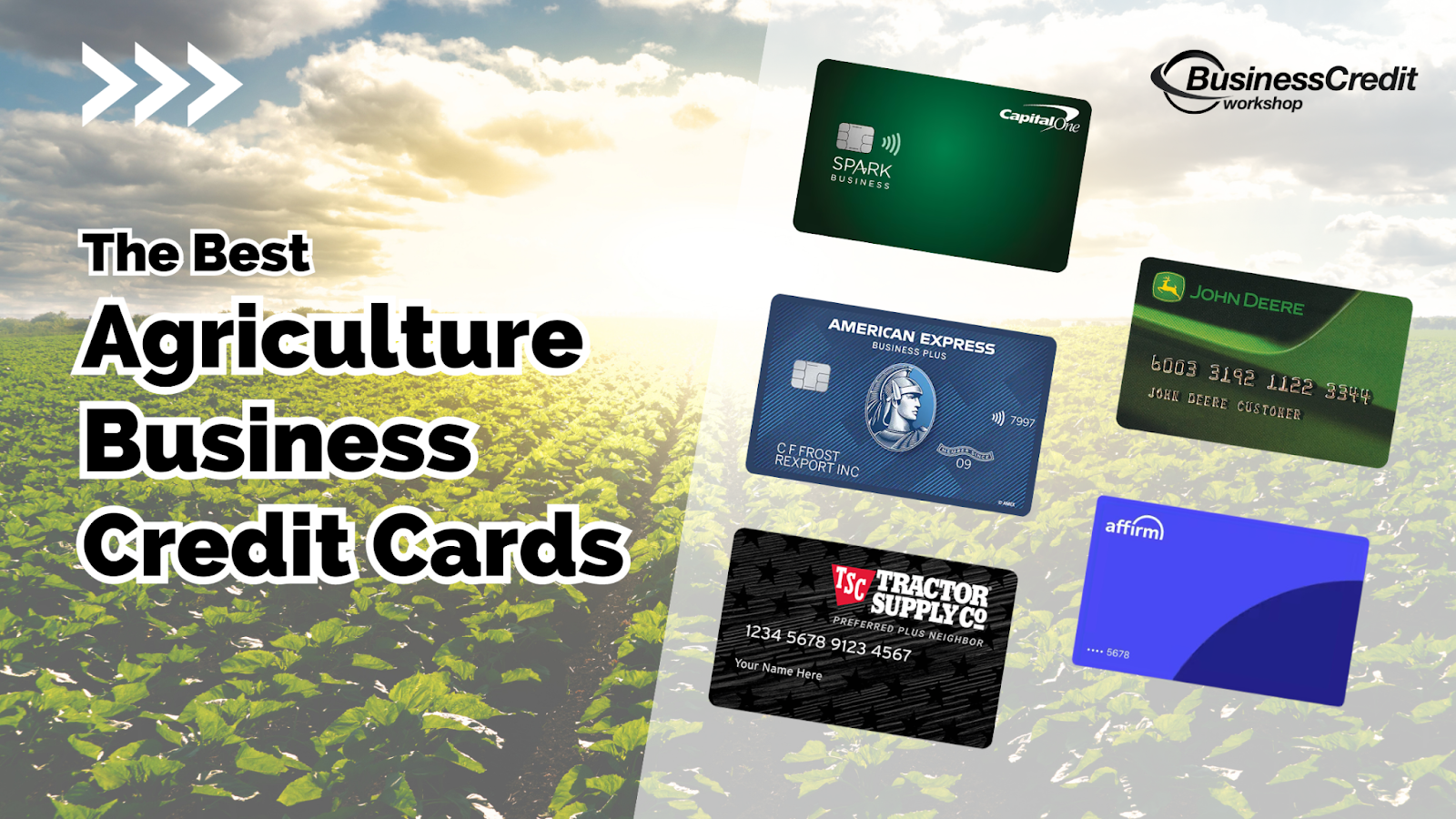
Here, we’ll explore the best credit cards for agriculture businesses, including popular options such as Capital One Spark Business, American Express, Tractor Supply Credit Card, John Deere Credit Card, and Affirm. 

2% cash back on all purchasesNo annual fee and 2X points on eligible purchasesSpecial financing and rewards on purchasesFlexible financing for John Deere productsFlexible financing with clear repayment plans
→ Learn More→ Learn More→ Learn More→ Learn More→ Learn More

We’ll also address common questions and concerns related to business credit cards for agriculture businesses.

Here’s what’s in store: 

  • What to Look for in a Business Credit Card
  • Let’s Choose the Right Business Credit Card for Your Agriculture Business
    • Spark 2% Cash Plus Business
    • American Express Blue Business Plus
    • Tractor Supply Co. Business Credit Card
    • John Deere® Credit Card
    • Affirm Virtual Card
  • Frequently Asked Questions
  • Wrapping Up

Now, let’s get goin! 

What to Look for in a Business Credit Card

When it comes to choosing the right business credit card for your agriculture business, there are a few important factors to consider. 

  1. Rewards – Find a card that offers relevant rewards, like cash back on fuel and farm supply store purchases. Earn rewards on these expenses to save money in the long run.
  2. Interest Rate – Carefully consider the card’s interest rate, especially if you plan to carry a balance. High rates can eat into your profits, so choose a card with an affordable rate or look for lower-rate options.
  3. Annual Fee – Some business credit cards charge an annual fee. Consider whether the benefits and rewards justify the cost. If you don’t expect to use the card extensively or the benefits don’t outweigh the fee, opt for a card with no annual fee.
  4. Features and Benefits – Look for additional features like travel insurance, purchase protection, or expense tracking tools. Choose a card that offers the features most important to your agriculture business, such as travel insurance for agricultural conferences.

By considering these factors, you can find a business credit card that aligns with your agriculture business’s needs and helps you save money while managing your finances effectively.

→ Recommended: 6 Best Business Credit Cards for Entrepreneurs: Fuel Your Growth 

Let’s Choose the Right Business Credit Card for Your Agriculture Business

No matter what your business needs, there’s a business credit card out there that can help you save money and grow your business. Do some research to find the best card for you, and start taking advantage of the rewards and benefits today.

Here are some top credit card options to consider from major banks. Keep in mind that you may have better luck with a small local community bank or credit union. 

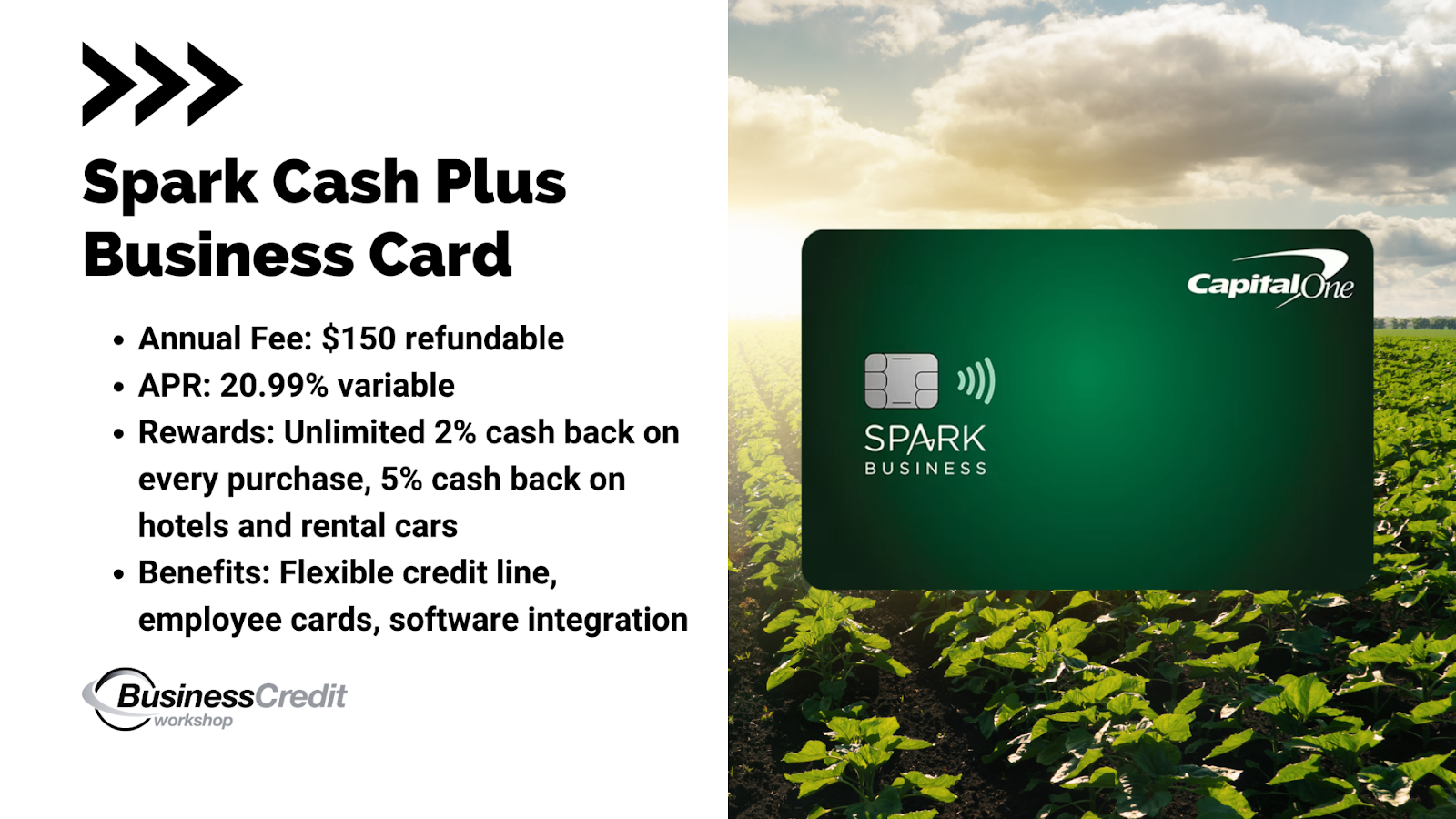
Spark 2% Cash Plus Business

capital one spark business

Issuer: Capital One 

Rewards: Earn unlimited 2% cash back on every purchase for your agriculture business. Additionally, you can earn unlimited 5% cash back on hotel and rental car bookings made through Capital One Travel.

Interest Rate: Variable purchase rate: 20.99% APR. The APR may vary with the market based on the Prime Rate.

Annual Fee: The Spark 2% Cash Plus credit card has an annual fee of $150.

Features and Benefits: This credit card offers several features and benefits that can be highly advantageous for an agriculture business. It has no preset spending limit, adapting to your business’s needs based on spending behavior, payment history, and credit profile. 

If you spend at least $150,000 per year, you can receive an annual fee refund of $150. The card provides business-grade capabilities, including free employee and virtual cards, enabling your team to make purchases while earning rewards. 

It also offers benefits such as: 

  • Account management tools
  • Employee access
  • Travel perks
  • Fraud liability protection
  • The ability to download purchase records in multiple formats for easy record-keeping.

Summary: The Spark 2% Cash Plus credit card is a valuable choice for agriculture businesses. With unlimited 2% cash back on all purchases, it allows businesses to earn rewards on their everyday expenses. The card’s business-specific features, such as free employee and virtual cards, empower team members to make purchases while earning rewards. 

Additionally, the annual fee refund of $150 incentivizes higher spending. The card’s benefits, including account management tools, travel perks, fraud protection, and easy record-keeping, provide further convenience and protection for agriculture businesses. 

Overall, the Spark 2% Cash Plus credit card can help agriculture businesses maximize their rewards, streamline purchasing processes, and enhance financial management.

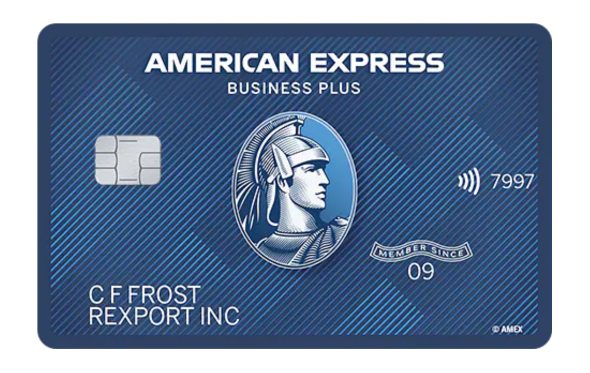
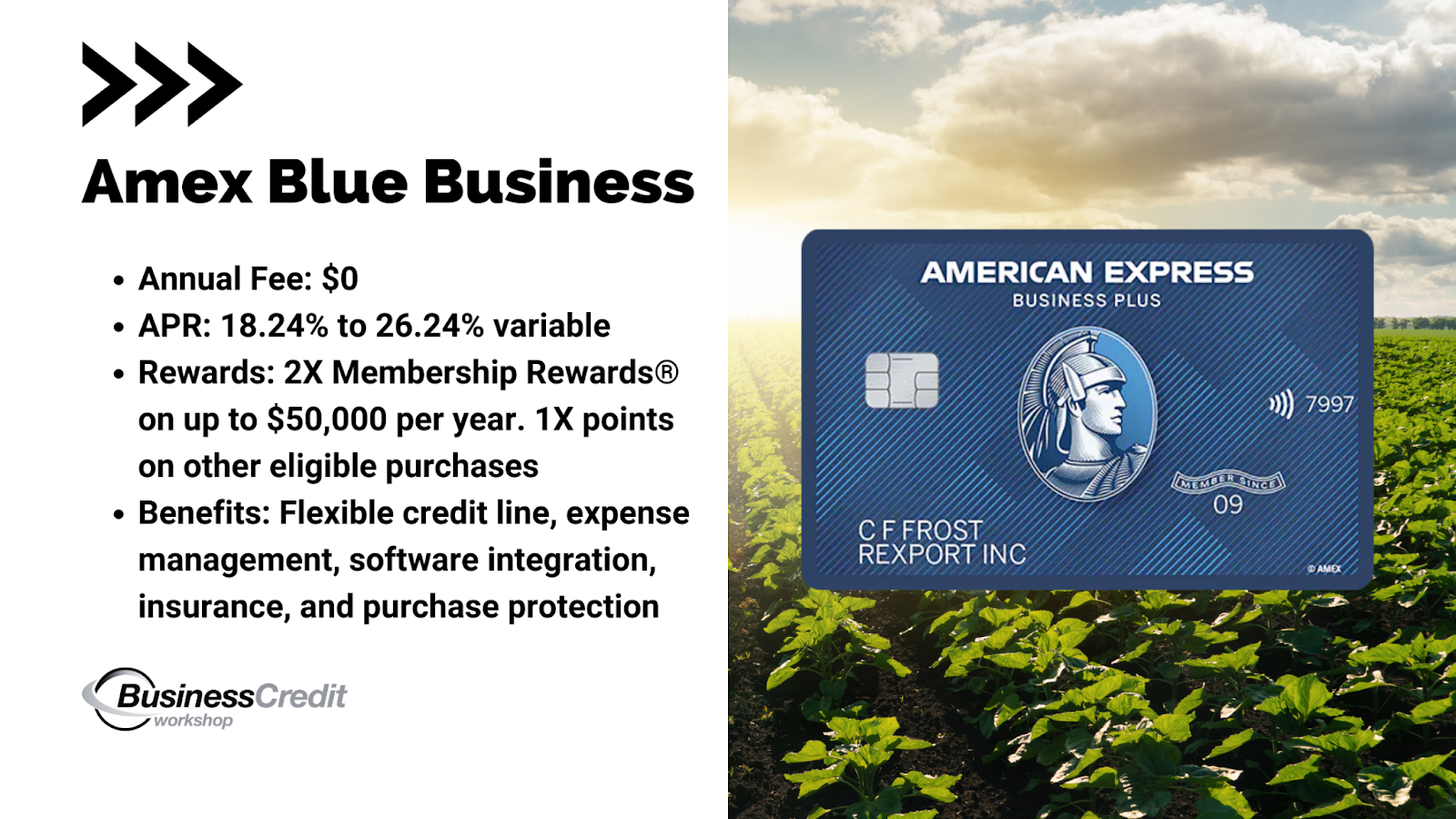
American Express Blue Business Plus

small business credit cards

Issuer: American Express

Rewards: Earn 2X Membership Rewards® points on eligible business purchases up to $50,000 per calendar year. After reaching the spending cap, you earn 1X points on other eligible purchases.

Interest Rate: The introductory APR on purchases is 0% for the first 12 months from account opening. After that, the APR becomes a variable rate ranging from 18.24% to 26.24%.

Annual Fee: The Blue Business® Plus Credit Card has no annual fee, making it a cost-effective choice for agriculture businesses.

Features and Benefits: The Blue Business® Plus Credit Card offers various features and benefits that can be beneficial for agriculture businesses. It provides cash flow flexibility through Expanded Buying Power, allowing you to make purchases above your credit limit based on your payment history, credit record, and other factors. 

The card earns Membership Rewards® points, which can be accumulated quickly, offering potential rewards for your business expenses. Employee cards come with no annual fee, and you can earn points on their eligible purchases. 

The card also offers expense management tools such as: 

  • QuickBooks® integration
  • Online statements
  • Account alerts
  • A year-end summary for efficient budgeting and expense tracking
  • Vendor Pay by Bill.com 
  • The American Express® App
  • Dedicated customer service via Relationship Care®
  • Insurance coverage, including Car Rental Loss and Damage Insurance, Extended Warranty, and Purchase Protection 

Amex Blue Business provides added peace of mind for business transactions.

Summary: The Blue Business® Plus credit card is an excellent choice for agriculture businesses. With its rewards program, agriculture businesses can earn 2X Membership Rewards® points on eligible purchases. The introductory 0% APR for 12 months and no annual fee offer cost-saving advantages. 

The card’s expense management tools, such as employee cards, QuickBooks® integration, online statements, and account alerts, help streamline financial management. The Vendor Pay feature simplifies bill payments, and the Year-End Summary aids in budgeting and tax preparation. The card also provides insurance coverage and access to the American Express® App for convenient account management. 

With its valuable features and benefits, the Blue Business® Plus Credit Card can enhance cash flow, reward business spending, and provide essential financial tools for efficient operations in the agriculture industry.

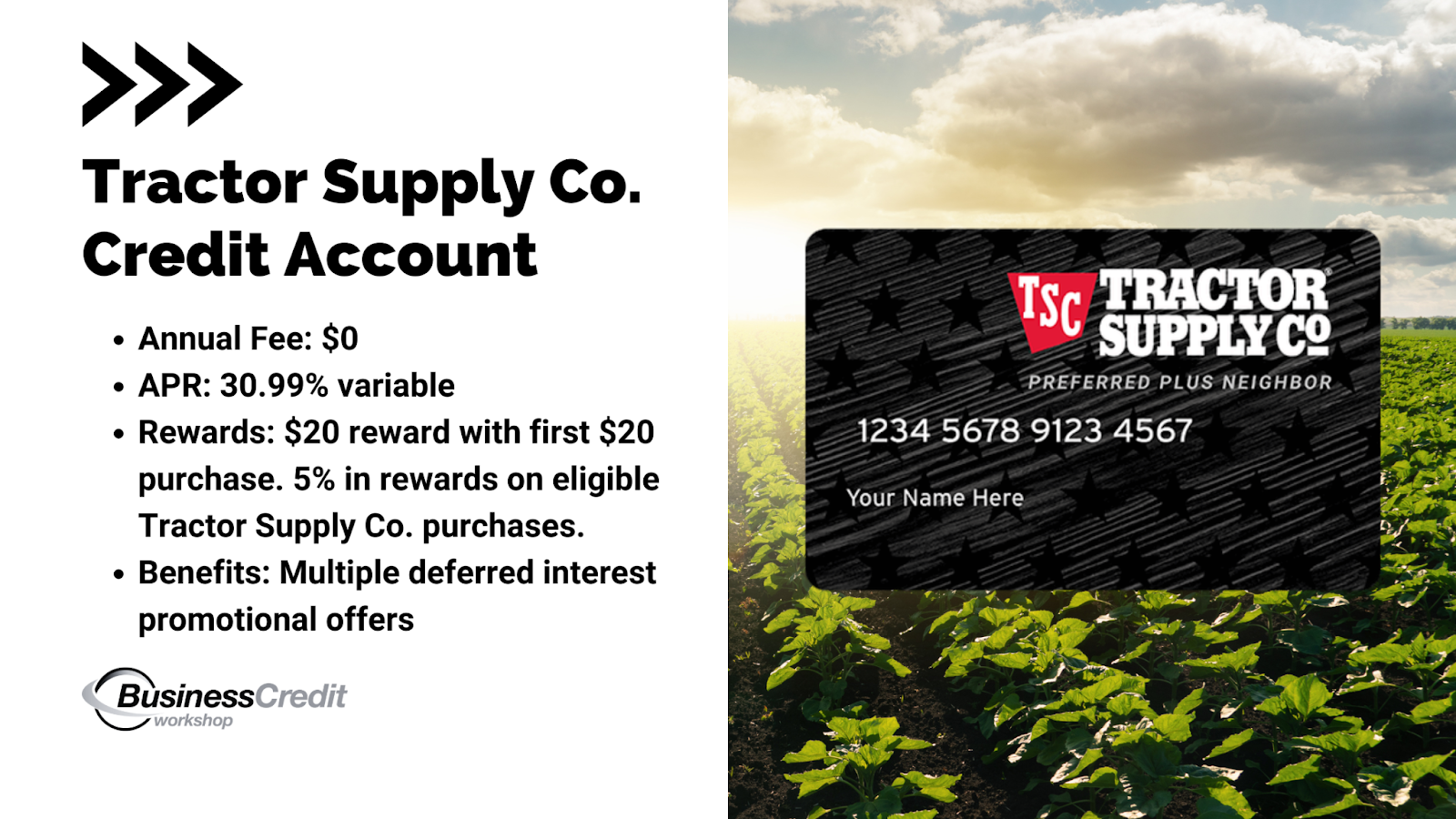
Tractor Supply Co. Business Credit Card

agriculture credit cards

Issuer: Tractor Supply Company (TSC)/ Citibank

Rewards: New cardholders receive a $20 reward with their first qualifying purchase of $20 or more. Earn 5% in rewards storewide on eligible Tractor Supply Co. purchases.

Interest Rate: Variable purchase rate: 30.99% APR (as of May 9, 2023). The APR may vary with the market based on the Prime Rate.

Annual Fee: The TSC card has no annual fee. 

Features and Benefits: Deferred interest promotional offers:

  • No Interest if Paid in Full in 6 Months
  • No Interest if Paid in Full in 12 Months
  • No Interest if Paid in Full in 18 Months
  • No Interest if Paid in Full in 24 Months

Summary: The TSC Visa credit card provides attractive benefits for new cardholders, including a $20 reward with their first qualifying purchase and 5% in rewards storewide on eligible Tractor Supply Co. purchases. These rewards can be utilized to offset future expenses or used towards purchasing agricultural supplies and equipment. 

Additionally, the card offers deferred interest promotional offers, allowing cardholders to make purchases and pay no interest if the balance is paid in full within specific periods of 6, 12, 18, or 24 months. However, if the balance is not paid in full by the end of the promotional period, interest charges will be imposed at the variable purchase rate of 30.99% APR. 

Agriculture businesses can take advantage of these promotional offers to manage their cash flow effectively and make necessary purchases while avoiding interest charges if paid within the specified timeframes.

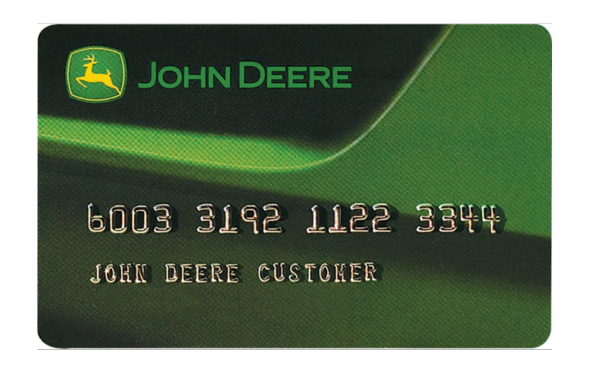
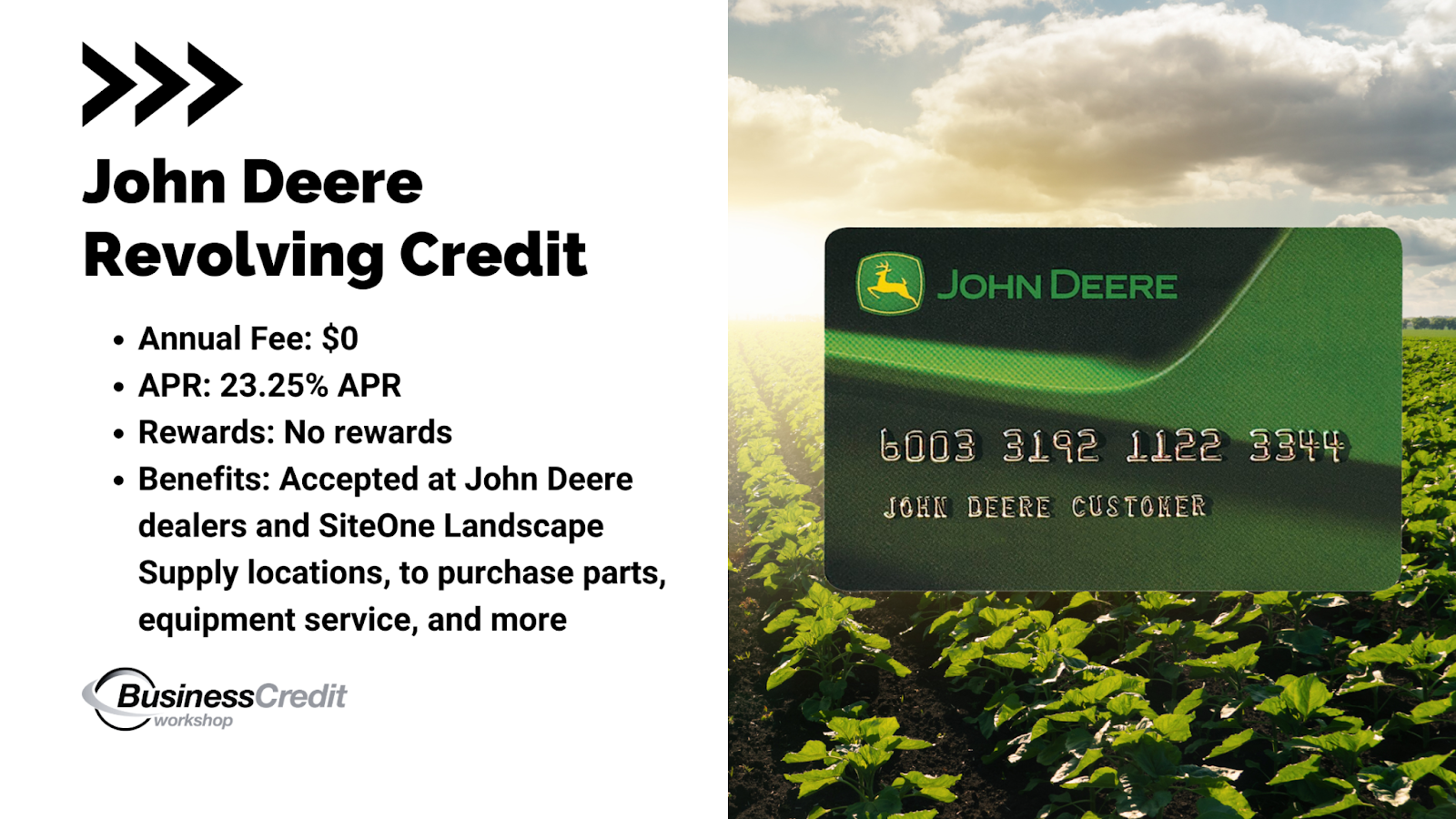
John Deere® Credit Card 

john deere credit card

Issuer: John Deere

Rewards: The John Deere Credit Revolving Plan Account does not explicitly mention a rewards program.

Interest Rate: The periodic rate is 0.06370% per day, which corresponds to an annual percentage rate (APR) of 23.25%. The periodic rate is 0.07192% per day, which corresponds to an APR of 26.25%

Annual Fee: The John Deere revolving credit account has no annual fee. 

Features and Benefits: The account is accepted at John Deere dealers and SiteOne Landscape Supply locations, providing flexibility in purchasing parts, attachments, batteries, equipment service, and more. Consolidate all purchases into one easy-to-read statement, making it convenient to track expenses.

This card offers options for minimum monthly payments or full payment, providing flexibility in managing cash flow. And, account holders may receive special offers on equipment, parts, and service, providing potential cost savings.

Summary: The John Deere Credit revolving account offers a flexible line of credit for financing purchases related to John Deere products. The account provides convenient payment options with minimum monthly payments or the choice to pay in full. Account holders may benefit from special offers on equipment, parts, and service. However, it is important to note that the account has relatively high-interest rates, with a regular purchase rate of 23.25% APR and a default rate of 26.25% APR. 

Despite the interest rates, the account can still be beneficial for an agriculture business as it offers convenience, consolidated statements, and access to necessary equipment and services from John Deere dealers and SiteOne Landscape Supply locations. 

It allows businesses to manage their cash flow and make essential purchases to keep their operations running smoothly.

→ Recommended: Is a Floor & Decor Business Credit Card Still Worth It? 

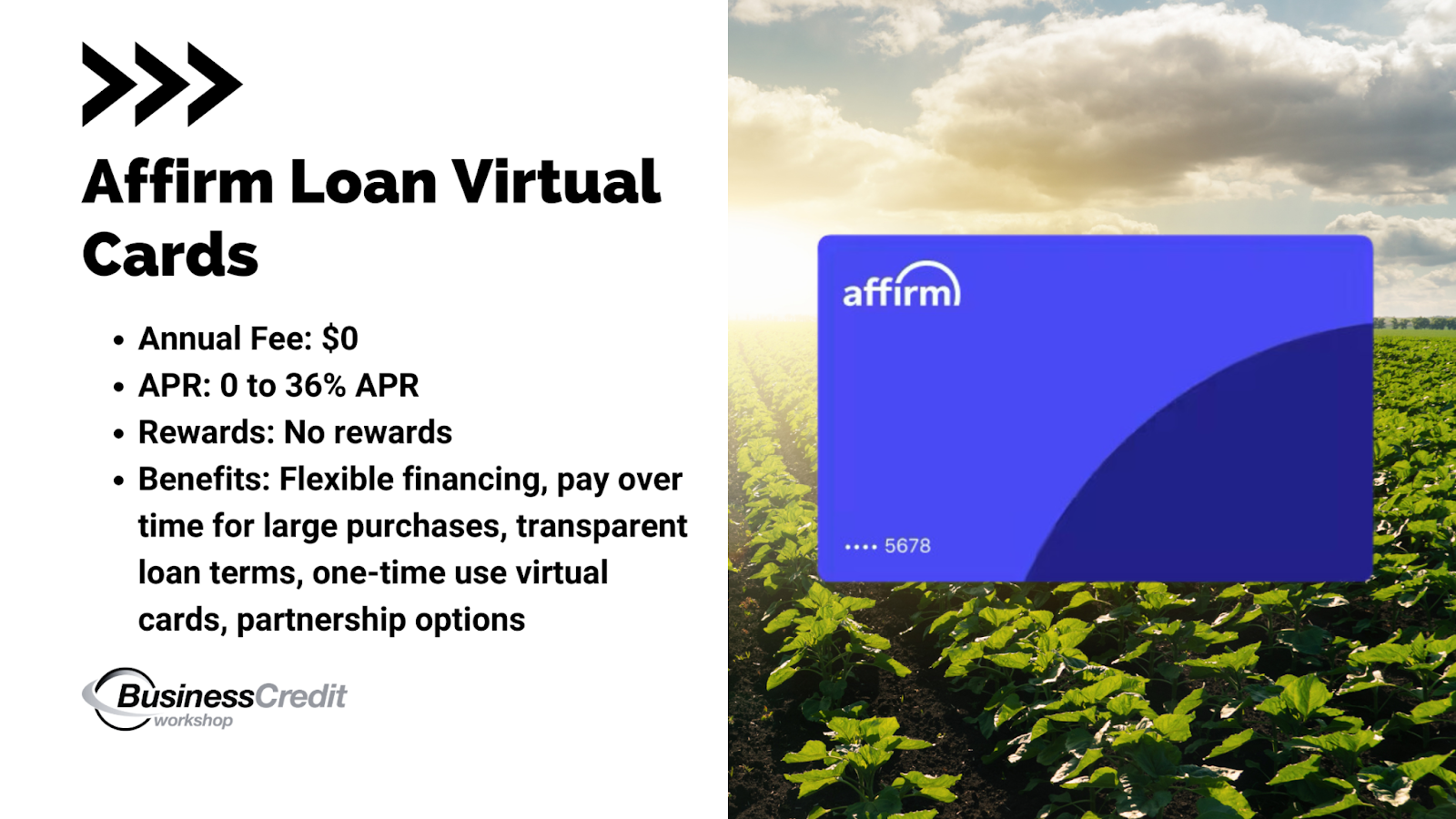
Affirm Virtual Card

affirm credit card

Issuer: Affirm Loans

Rewards: Affirm loans do not offer traditional rewards or cashback programs.

Interest Rate: The interest rates for Affirm loans can range from 0% to 36% APR, depending on the customer’s creditworthiness and the specific loan offer.

Annual Fee: Affirm loans do not charge an annual fee.

Features and Benefits: Affirm loans provide flexible financing options for customers, allowing them to make purchases and pay over time with fixed monthly payments. The loan terms and interest rates are clearly disclosed upfront, ensuring transparency and enabling customers to make informed financial decisions. 

Affirm loans also offer a user-friendly platform and a seamless application process, making it convenient for customers to access financing for their online purchases.

Summary: Affirm virtual cards provide a convenient and flexible financing option for customers, allowing them to make purchases and pay over time with fixed monthly payments. While Affirm loans do not offer traditional rewards or benefits, they enable customers to access financing with transparent terms and clear repayment plans. 

Remember, the virtual card expires 24 hours after it’s issued. If you don’t use it, you won’t owe anything. You can cancel the card anytime before it expires without any obligations. It works with Apple Pay and Google pay. If you don’t use the full amount on your card, that’s okay. You’ll only owe the amount you spend, plus any accrued interest. 

After the merchant processes your purchase, Affirm will provide a payment schedule for the full card amount. After 21 days (or longer, depending on the transaction), any unused funds will be returned, and the payment schedule will be updated accordingly. This means you may have a smaller final payment, fewer upcoming payments, or both.

Keep in mind that you can’t use your virtual card at merchants that violate Affirm’s Terms of Service, such as those selling firearms and alcohol.

While not a traditional business credit account, Affirm can help you with larger agriculture business expenses by giving you the ability to pay over time. 

★ Note: This can also be beneficial for agriculture businesses as it expands the purchasing power of customers, making your products or services more affordable and accessible. By partnering with Affirm, you can attract more customers, increase sales, and enhance customer satisfaction by offering a convenient and transparent financing solution.

Frequently Asked Questions

What is credit card farming?

Credit card farming refers to the practice of obtaining multiple credit cards to take advantage of sign-up bonuses and rewards. However, it’s impo